The land
A tropical island with rich soil and steady rainfall, known for tea, spices and coconut.

How we choose producers, check every order and get products to the U.S. the right way.
Made in Sri Lanka
A small island with deep skills. About 21.8 million people live in Sri Lanka (2024 census), and generations of them have worked in tea, spices, rubber, coconut, wood, cane, clay and cloth. Their skill is the reason we source here.
Why Sri Lanka
A tropical island with rich soil and steady rainfall, known for tea, spices and coconut.
Skills passed from one generation to the next. Weavers, potters, carvers and spice growers learn their craft in their own families.
Textiles and apparel are Sri Lanka's largest export category. Its factories make clothing for well-known international brands. That experience with strict buyer standards also benefits our home goods and food suppliers.
The United States is Sri Lanka's biggest export market, so many Sri Lankan producers already know what American buyers expect.
The craft behind the products
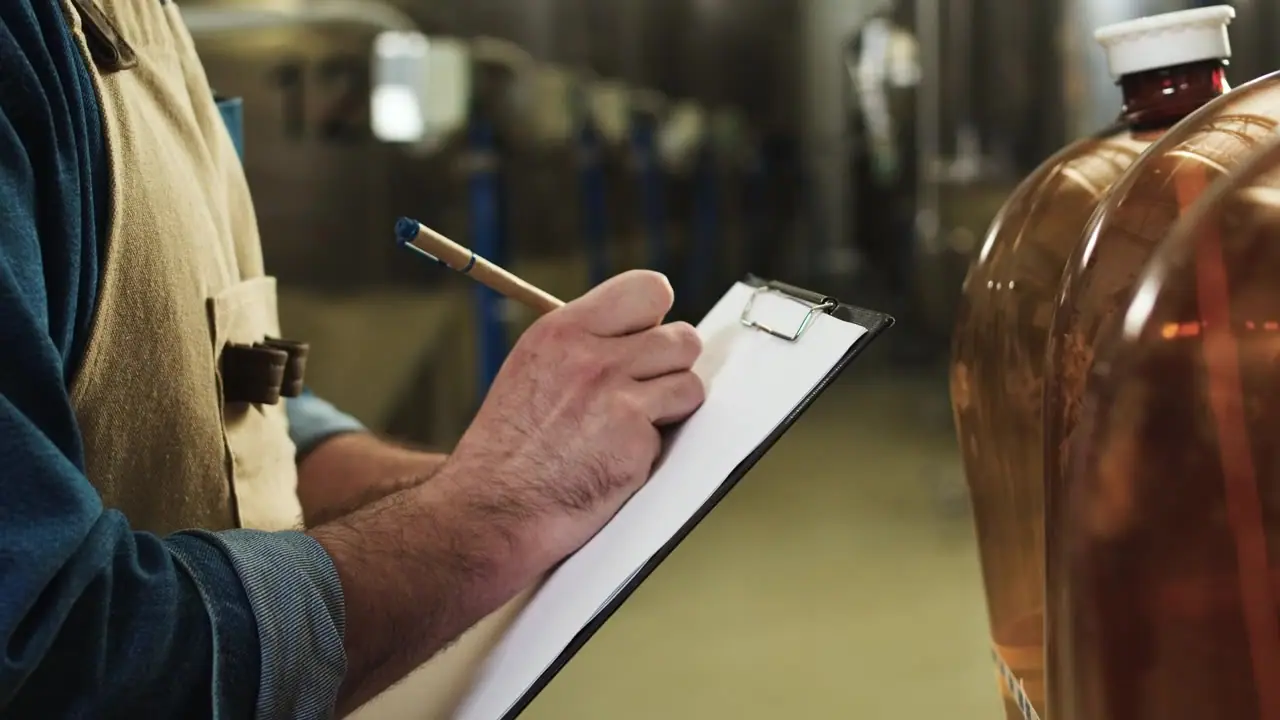
Illustrative images of traditional crafts.
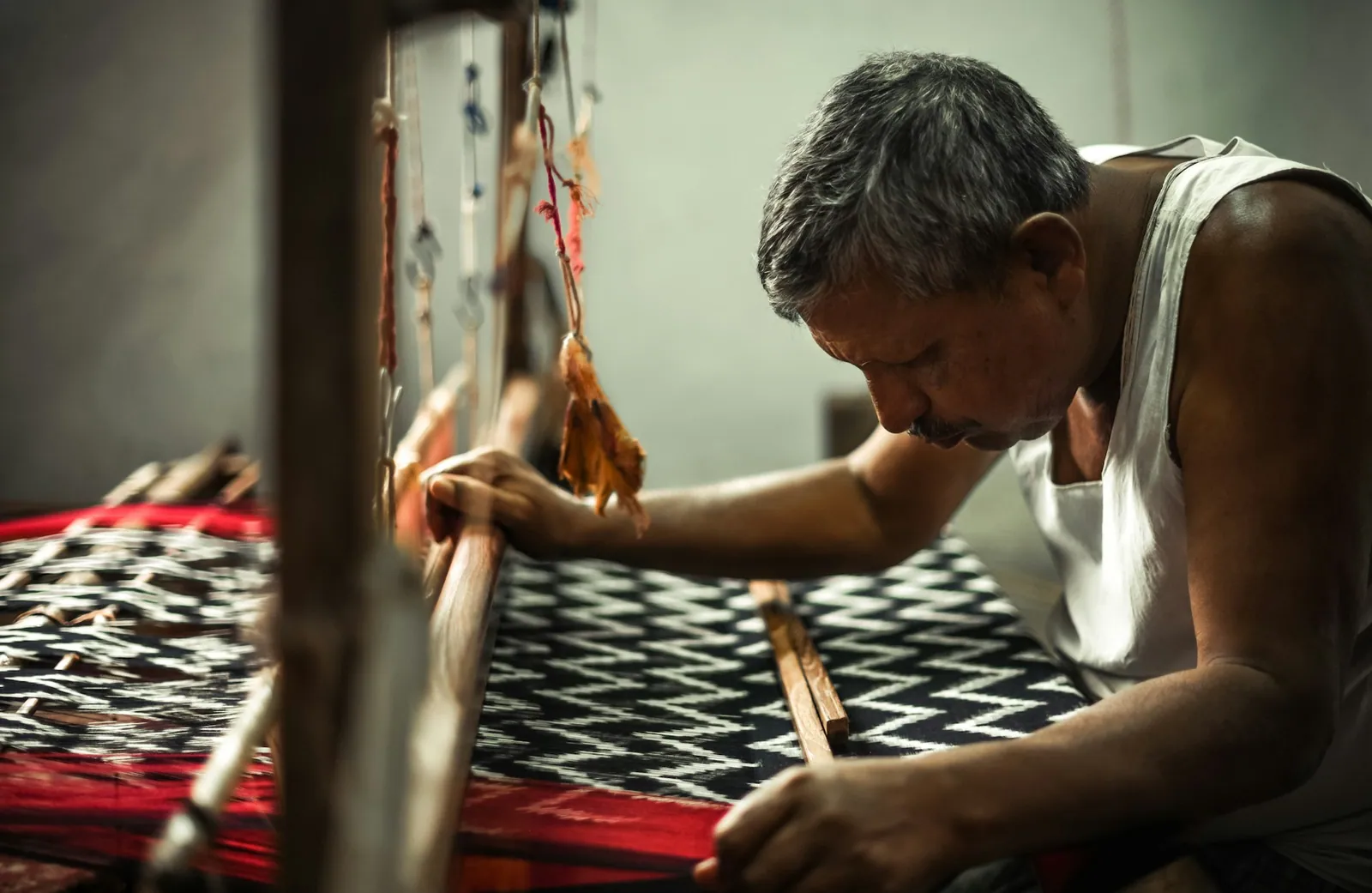
Traditional handloom craft
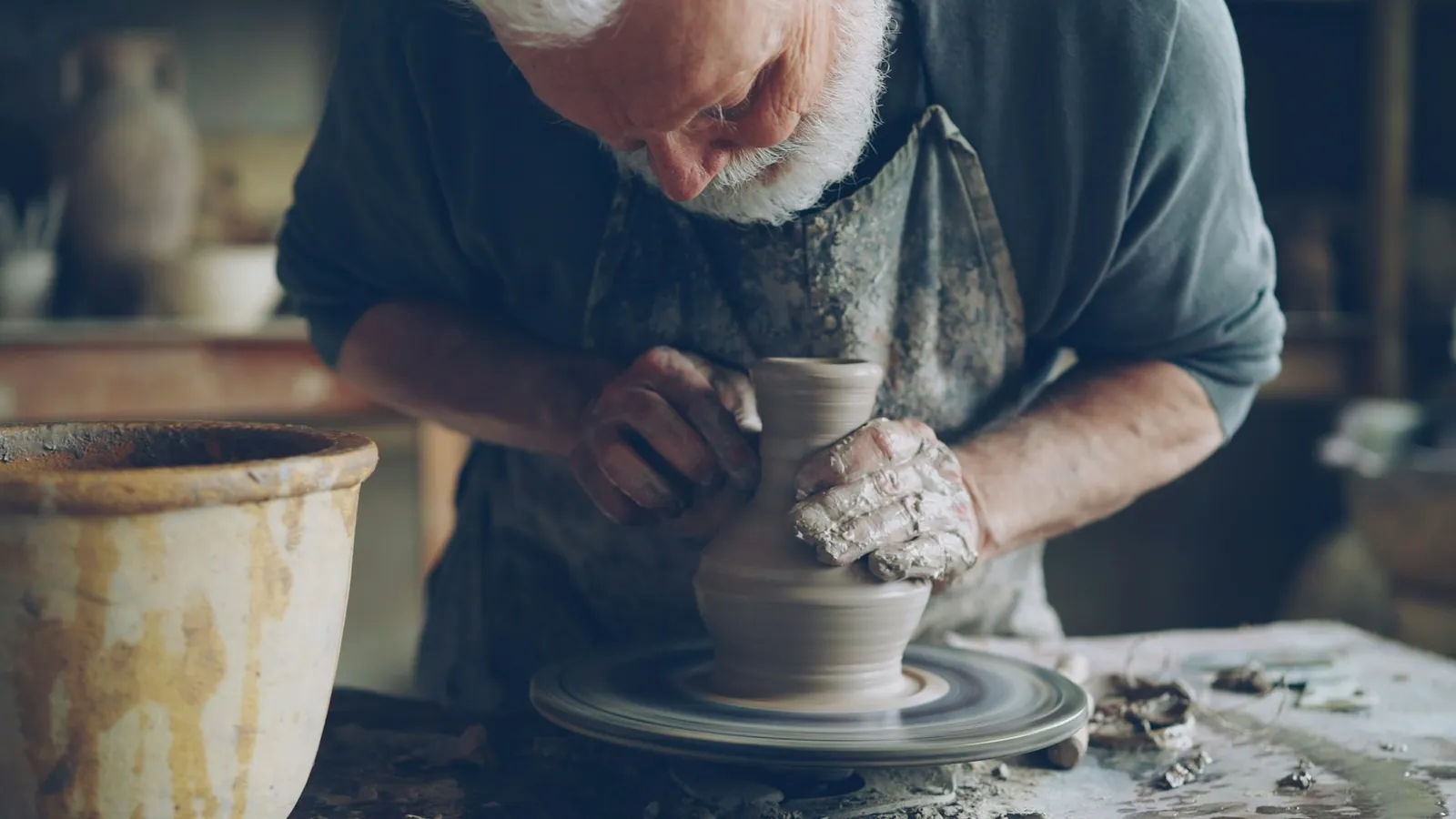
Traditional pottery
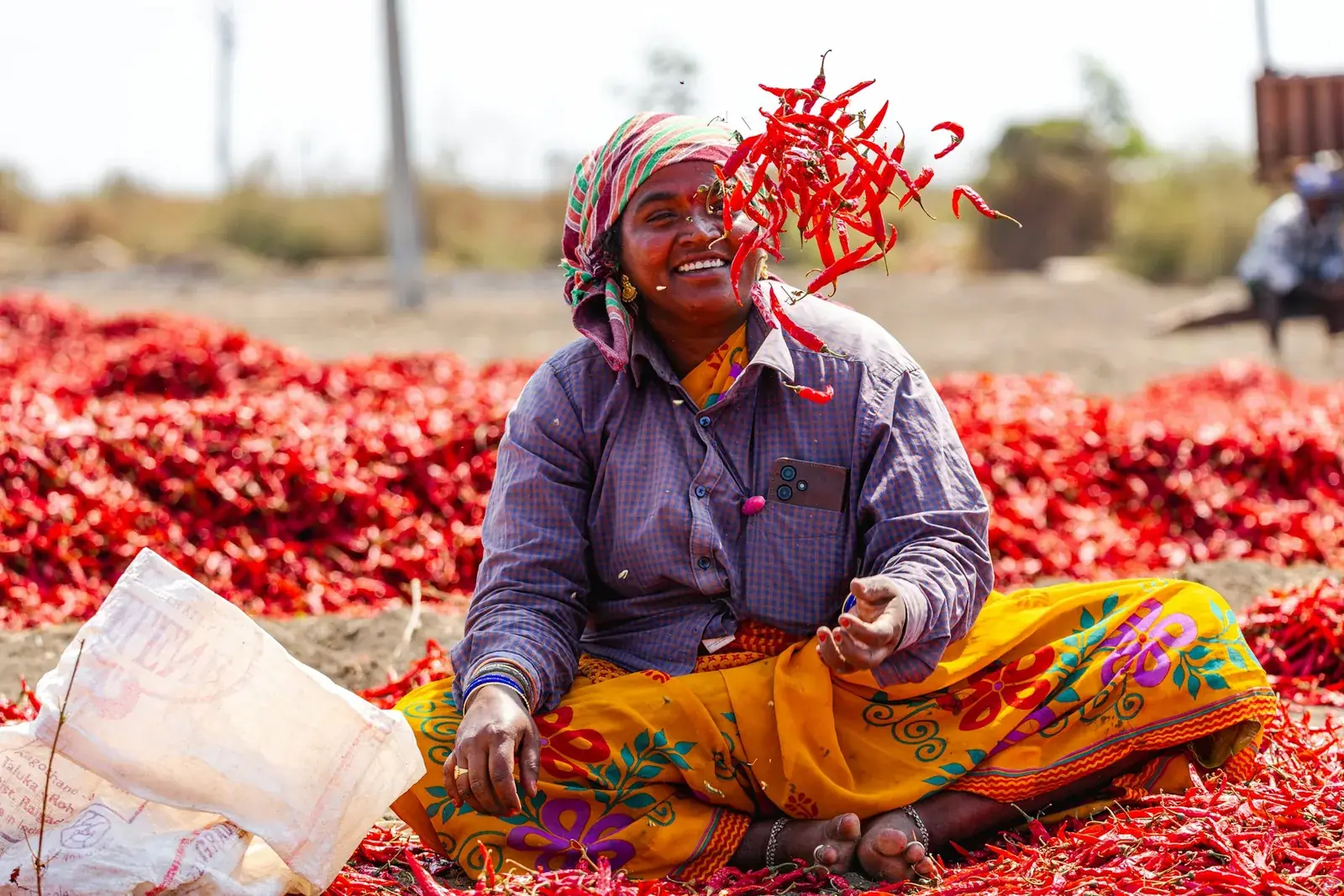
Spice harvest
Industries we source from
Tea and spices rank among Sri Lanka's leading export categories (2025 trade statistics).
Sri Lanka's tea country sits in the central hill region around Kandy and Nuwara Eliya. Tea took off after coffee rust destroyed the island's coffee plantations in the 1870s, and by 1899 tea covered nearly 400,000 acres.
Cinnamon, pepper, cardamom, cloves and more, grown on small holdings and estates across the island. We source from growers who dry, grade and pack their crop with care.
The first rubber trees flowered in 1881, and by 1893 more than 90,000 seeds had been supplied to planters. Today the island's rubber estates supply the material for durable household goods.
Beyond coconut itself, the sector produces coir fiber, coco peat, activated carbon, virgin coconut oil and coconut water. Sri Lanka is among the world's top three producers of activated carbon.
Cane, rattan, wood, handloom and batik. Techniques are mostly done by hand, in workshops and village studios across the island.
Pots, planters and tableware, shaped and fired by potters using local clay.
Supplier vetting and quality control
We use one standard process for every product and every supplier.
Specification sheet (materials, size, finish, packaging, labeling).
Business registration, capacity, export experience, references, certificates held.
Every sample is checked against the specification.
On site or by video, with a standard checklist: workspace, materials, hygiene and safety.
Final approved sample, written terms, pricing, lead times.
We monitor production while the order is being made.
A sampling plan, compared to the approved sample.
Foods and regulated products go to an accredited lab when the product calls for it.
We review every order and improve the next one.
Compliance and certifications
Selling in the U.S. means following clear rules on imports, labeling and safety. We plan every product around them before the first order.
Import entries, country-of-origin marking, required filings through licensed customs brokers.
FDA rules for imported foods, including facility registration, advance notice of shipments, and U.S. label requirements for ingredients, allergens and nutrition.
USDA rules.
CPSC rules for children's products and general consumer goods.
California's Prop 65 and other state labeling laws.
Registration and permits through the Export Development Board, Customs and the product-specific boards (such as the Tea Board).
Our registrations and certifications
We are completing our export and food-safety registrations and certifications now. As each one is issued, we'll post the certificate on this page. Until then, we ask each supplier to share the certificates they currently hold, and we keep copies on file. Buyers can request those documents with any order.
Sustainability
We choose materials and practices we can describe clearly and stand behind.
Most of our home goods come from renewable plant-based materials, including rubber, coconut, wood, cane and clay.
Paper, cardboard and other plastic-free packaging wherever the product allows it.
Cartons and inserts sized to the product, cutting waste and shipping weight.
Orders grouped into fewer, larger shipments, ocean freight when timing allows (ocean typically produces far lower emissions per ton than air).
Long-term relationships, pricing agreed in writing, payment on agreed terms.
We don't use terms like 'eco-friendly' without saying why. If we can't prove a claim, we don't make it.
Packaging and logistics
Moisture-resistant packing for foods and wood, cushioned cartons for fragile pieces. 'Made in Sri Lanka' country-of-origin marking. Food labels with ingredients, allergens, net quantity, nutrition. Barcodes and carton labels for Amazon FBA and retail warehouses.
Best for larger orders. Fastest services Colombo to Los Angeles about 28 days port to port. East Coast usually longer. Air freight: best for urgent or smaller orders. Flight about one day, door to door a few days to a week. Transit times vary by route, season and port congestion. Timing confirmed before every order.
Commercial invoice, packing list, bill of lading or air waybill, certificate of origin. Advance filings: importer security filing 24 hours before loading. For food, FDA prior notice at least 8 hours before arrival by sea or 4 hours by air. Customs clearance with licensed customs brokers.
Packaging and logistics
Stock at Amazon fulfillment centers and U.S. Third-party warehouses so orders ship from inside the U.S. Wholesale delivery terms agreed in writing.
Marketplace customers use that platform's return process. Wholesale damaged or incorrect shipments handled under written terms.
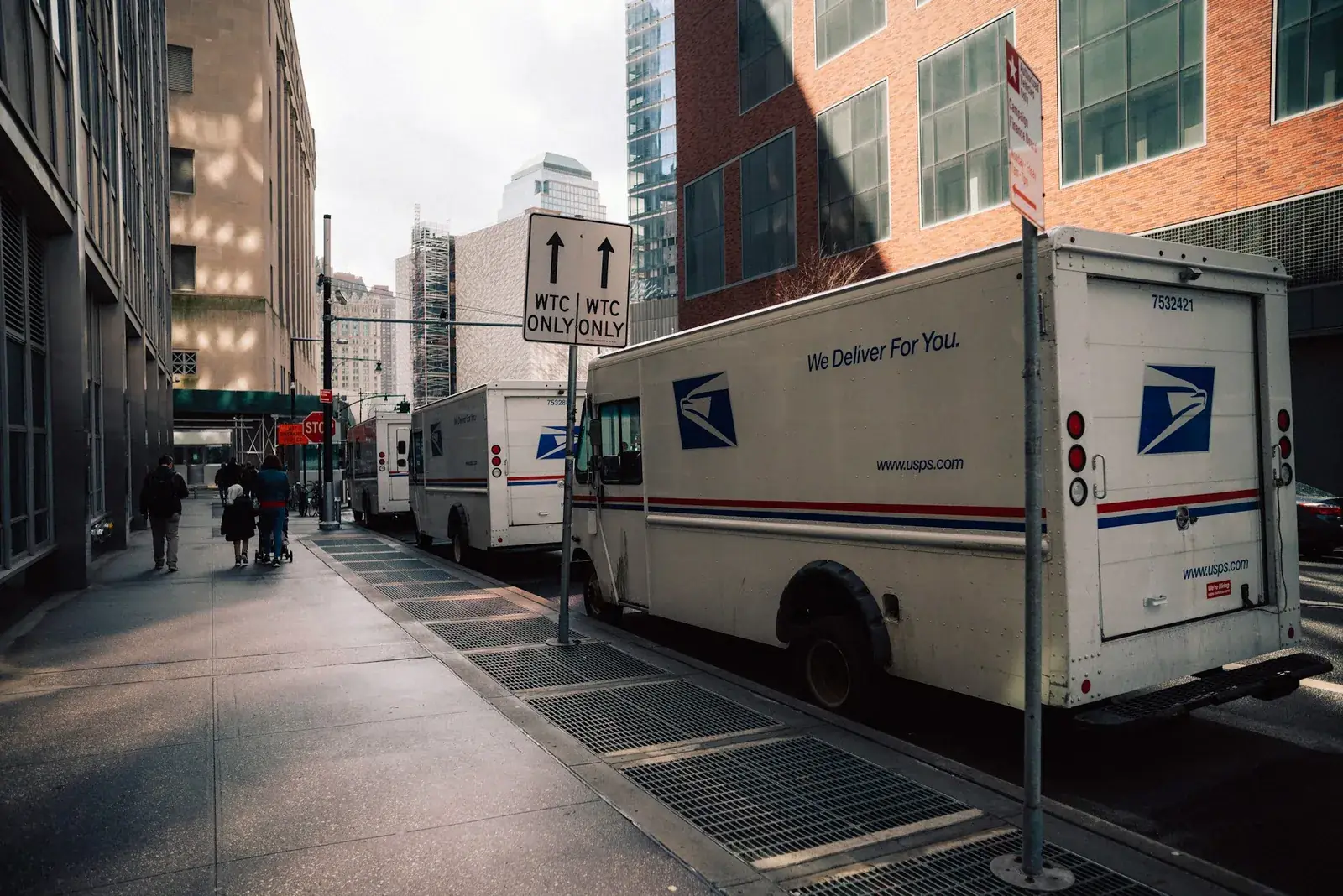
Orders ship from U.S. warehouses and fulfillment centers.
Tell us what you're working on. We reply within one business day.
Brands
Ready to build, launch or grow in the U.S.?
Retailers and buyers
Looking for wholesale or private label products?
Suppliers
Want to bring your products to the U.S. market?
One conversation can change your next 12 months.