Natural rubber
Rubber has grown in Sri Lanka since 1876, when 1,919 seedlings were planted at the Henarathgoda Botanical Gardens in Gampaha.
Source: Public record

Our brands
We build and sell two brands of our own: natural home goods and naturally sourced foods. Both come from experienced Sri Lankan producers, with quality checks at every stage and packaging prepared for U.S. customers.
Home goods
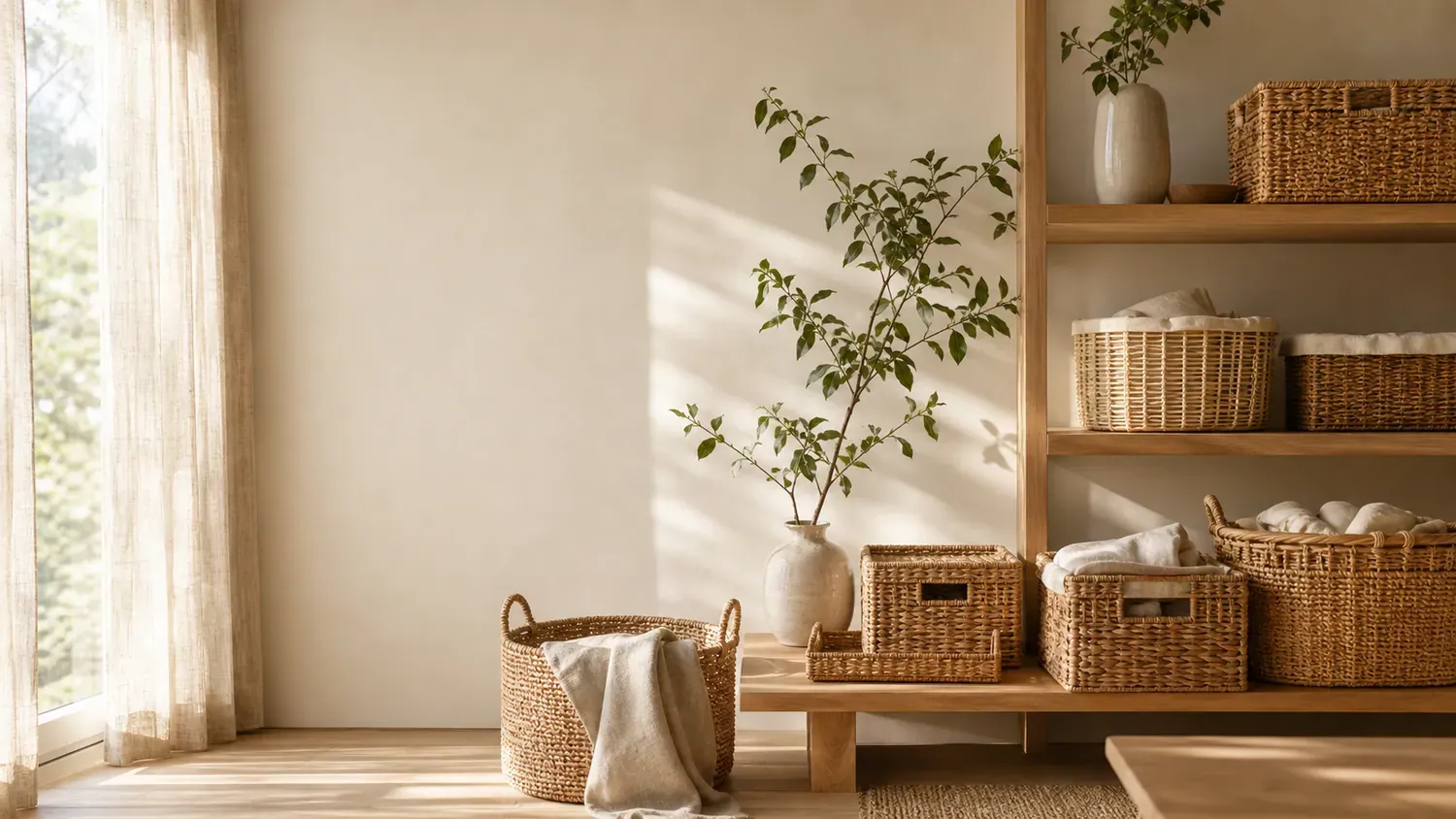
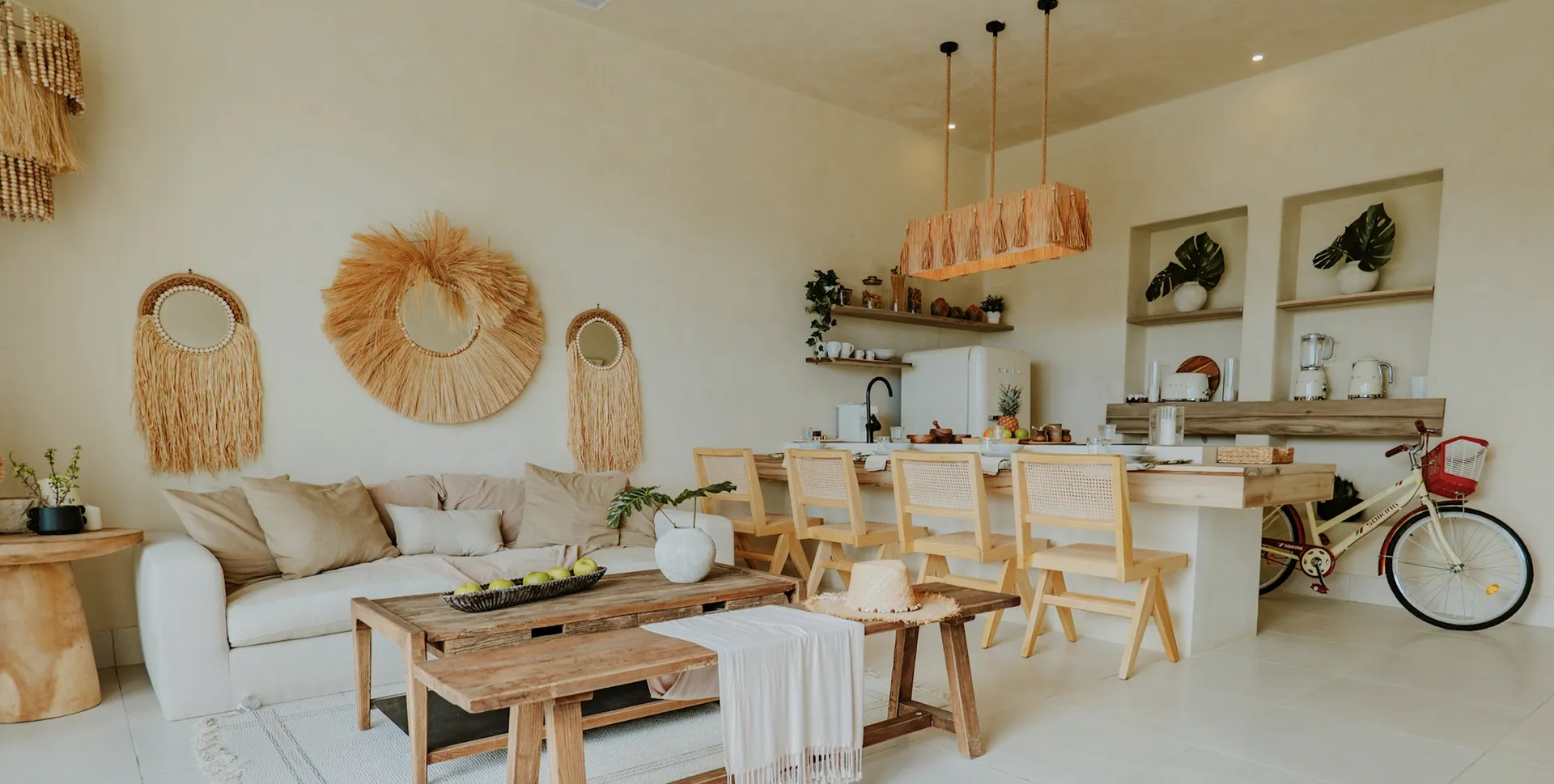
Our home goods brand rests on one idea: the things you use every day should be well made, made from natural materials, and made to last. The range covers kitchens, bathrooms, gardens and living spaces. Skilled artisans make it, using materials and methods that Sri Lankan communities have relied on for generations.
Why these materials
Rubber has grown in Sri Lanka since 1876, when 1,919 seedlings were planted at the Henarathgoda Botanical Gardens in Gampaha.
Source: Public record
Sri Lanka is the world's fourth-largest exporter of fresh and dried coconut products, with more than one million hectares under coconut.
Source: Sri Lanka Export Development Board
Sri Lanka exports about 100,000 metric tons of brown coir fiber a year, and its coir makers supply nearly 40% of global demand.
Source: Sri Lanka Export Development Board
What we make
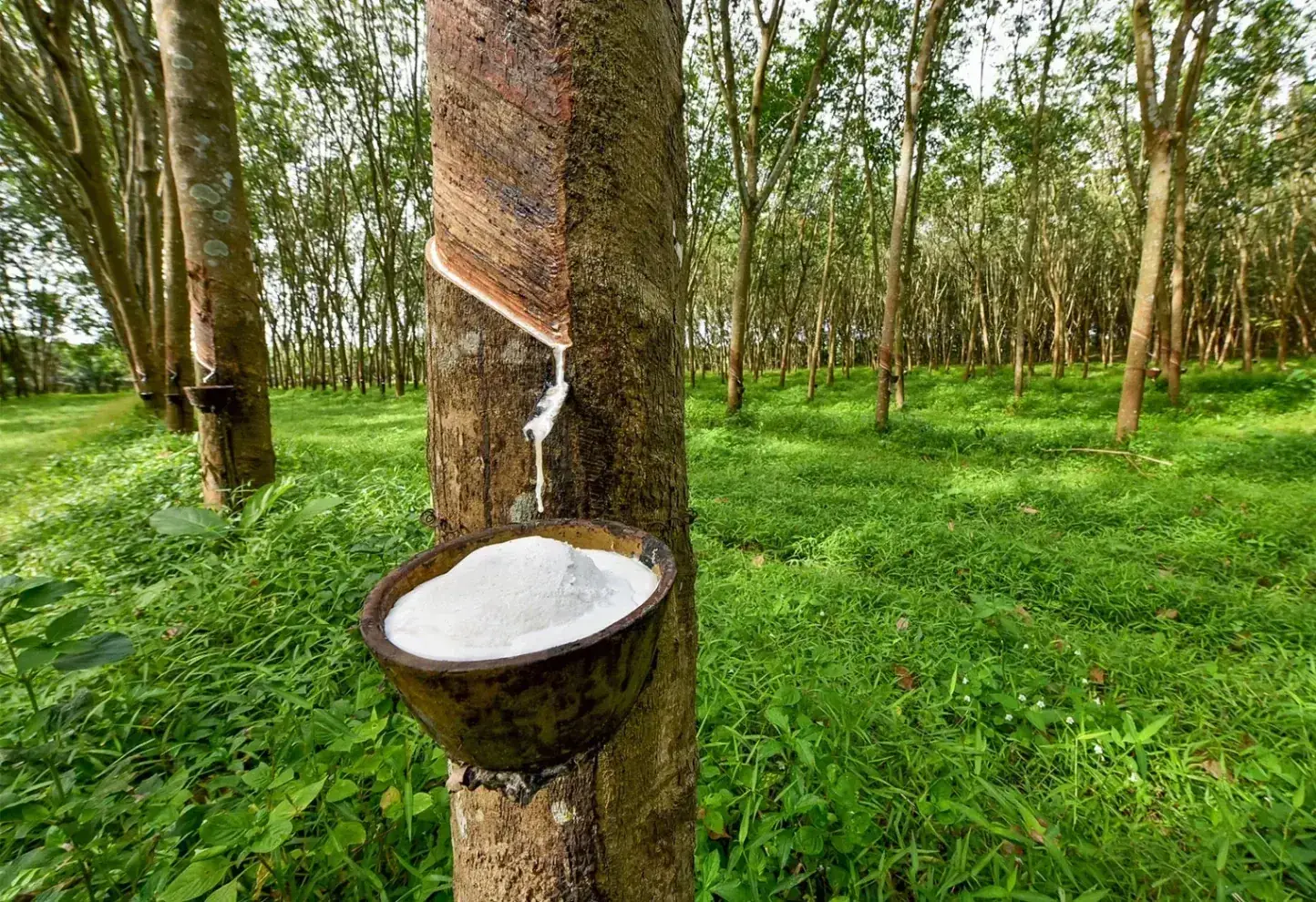
Durable, flexible everyday essentials made from natural rubber.
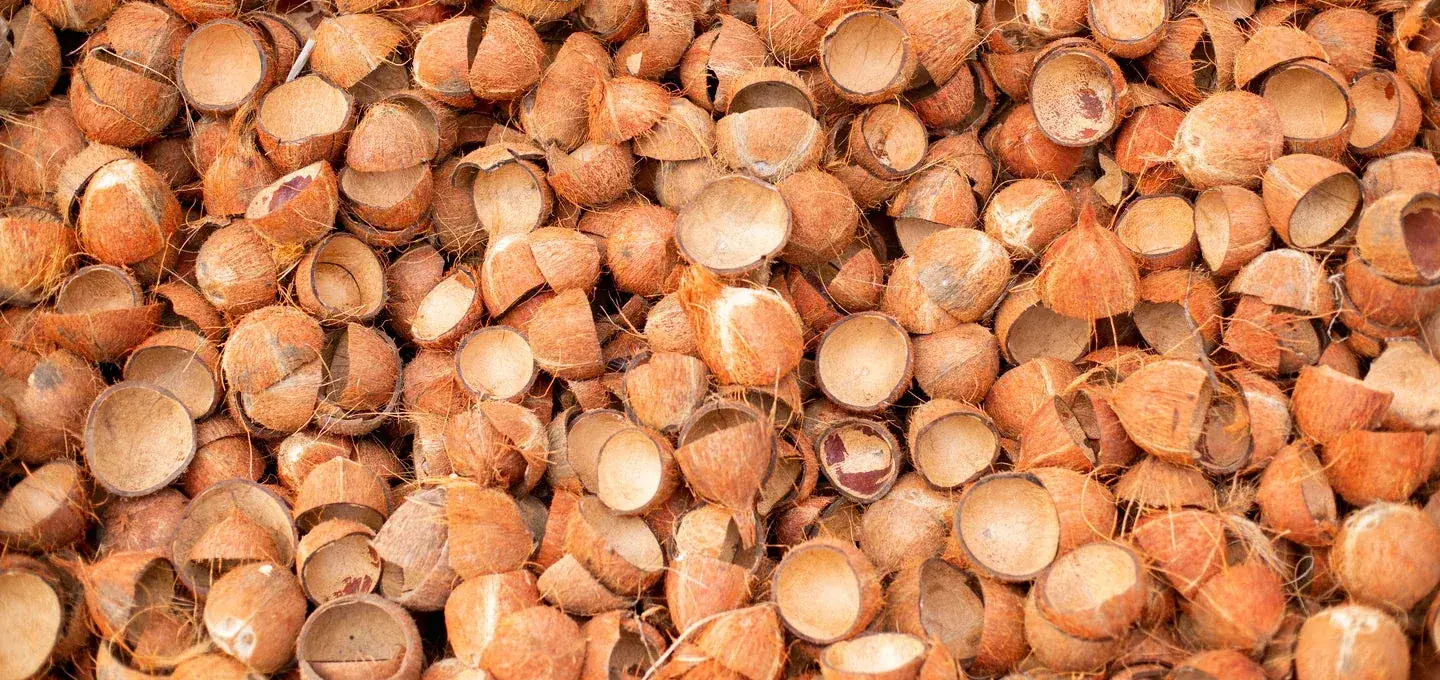
Bowls, utensils and household items made from coconut shell and coconut fiber.
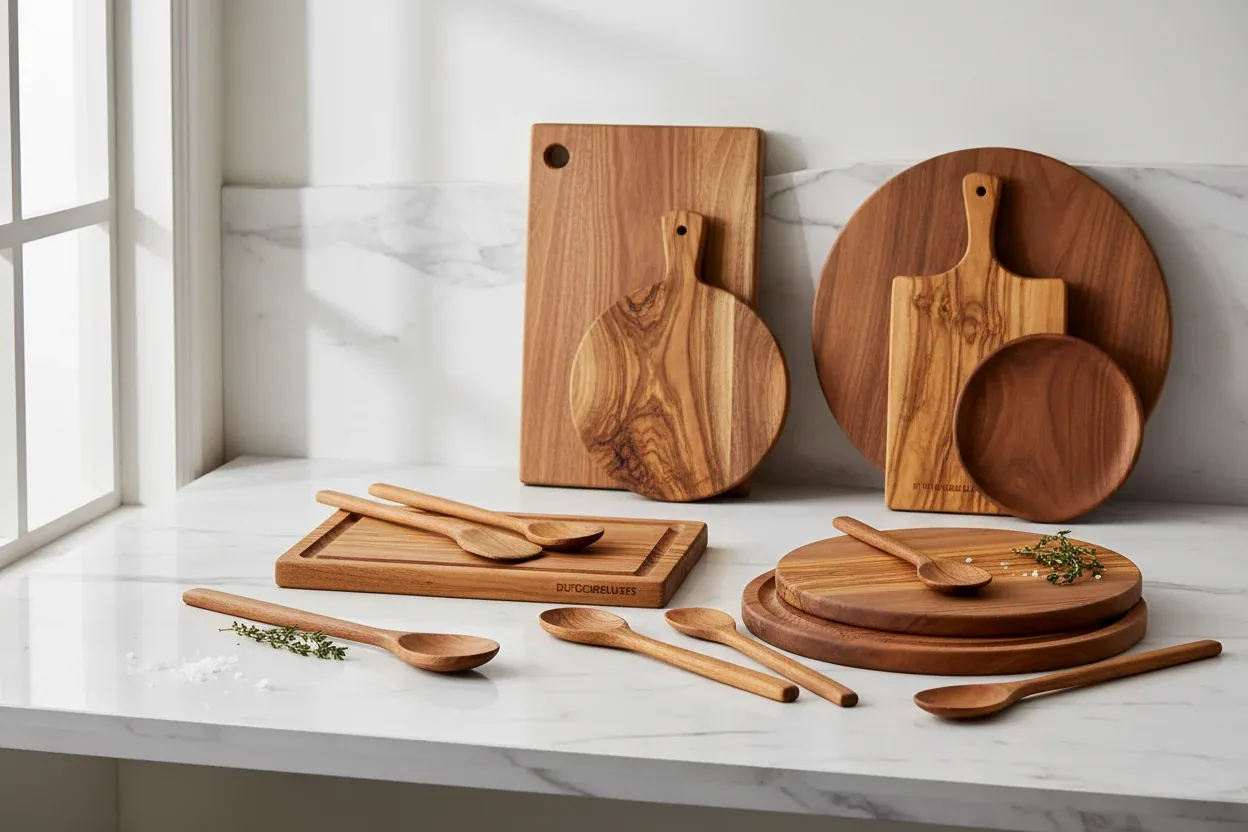
Handcrafted kitchenware, decor and accessories made from solid wood.
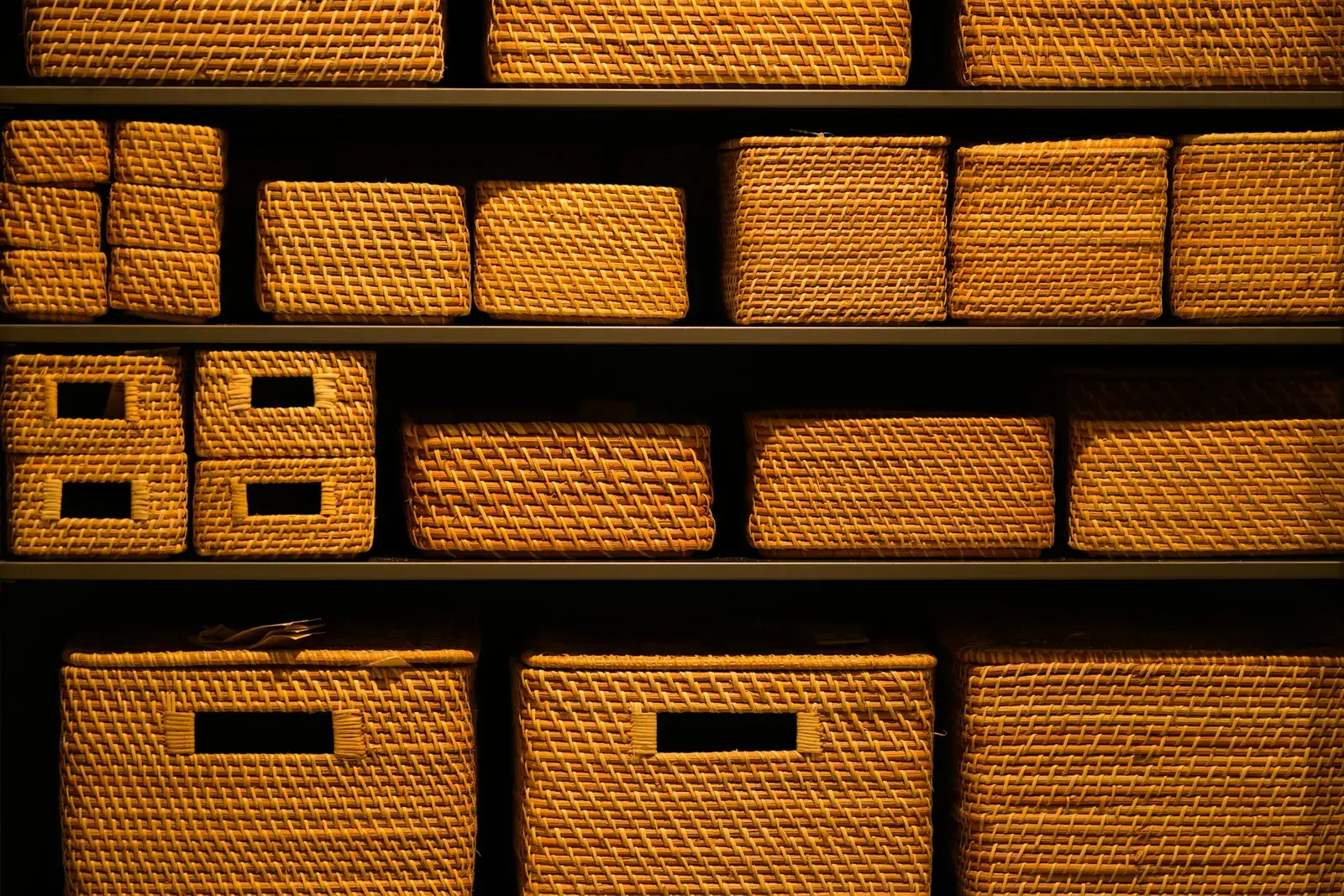
Woven baskets, storage and furniture accents, shaped by hand.
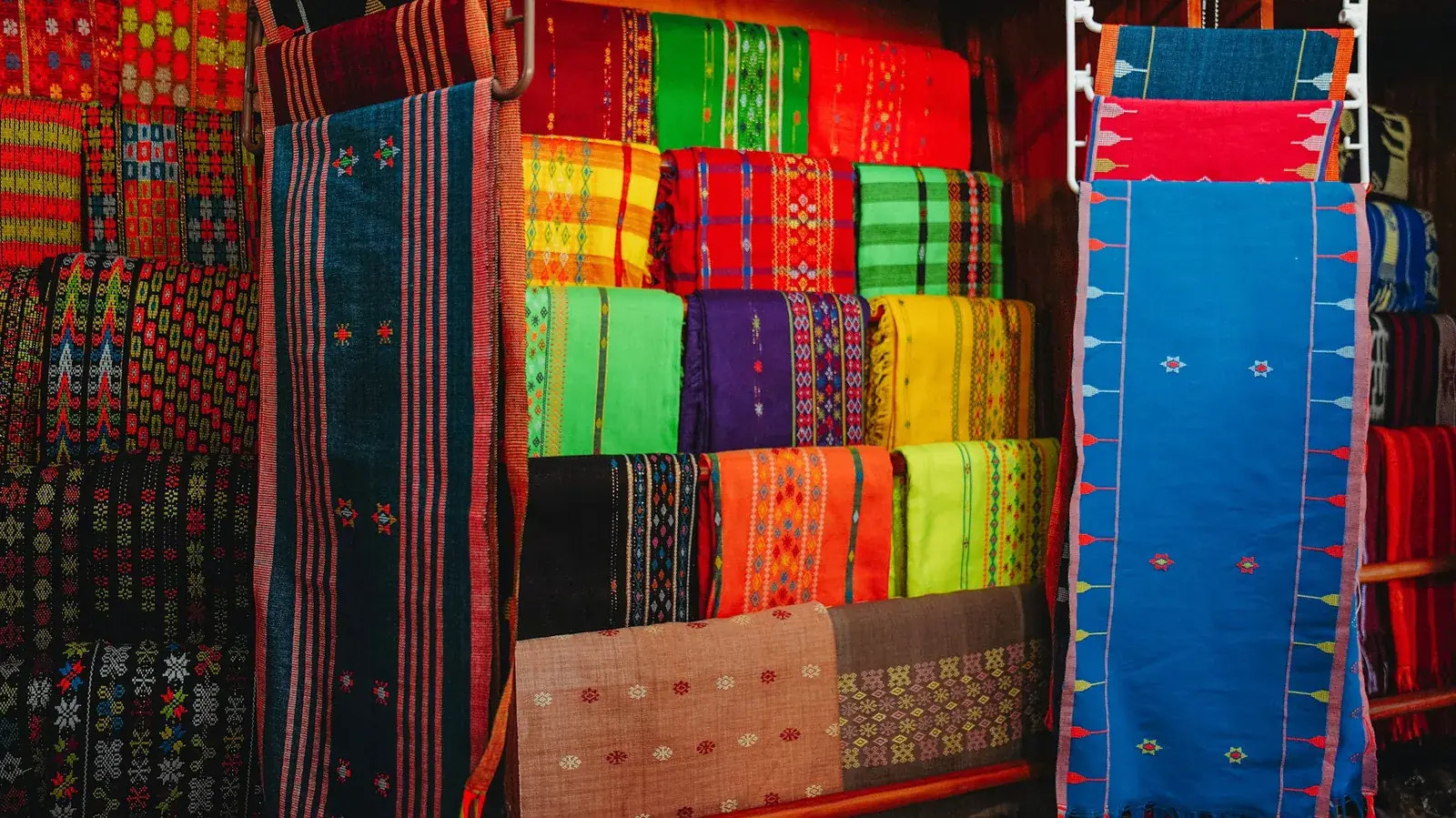
Textiles woven on traditional looms, with texture you can feel.
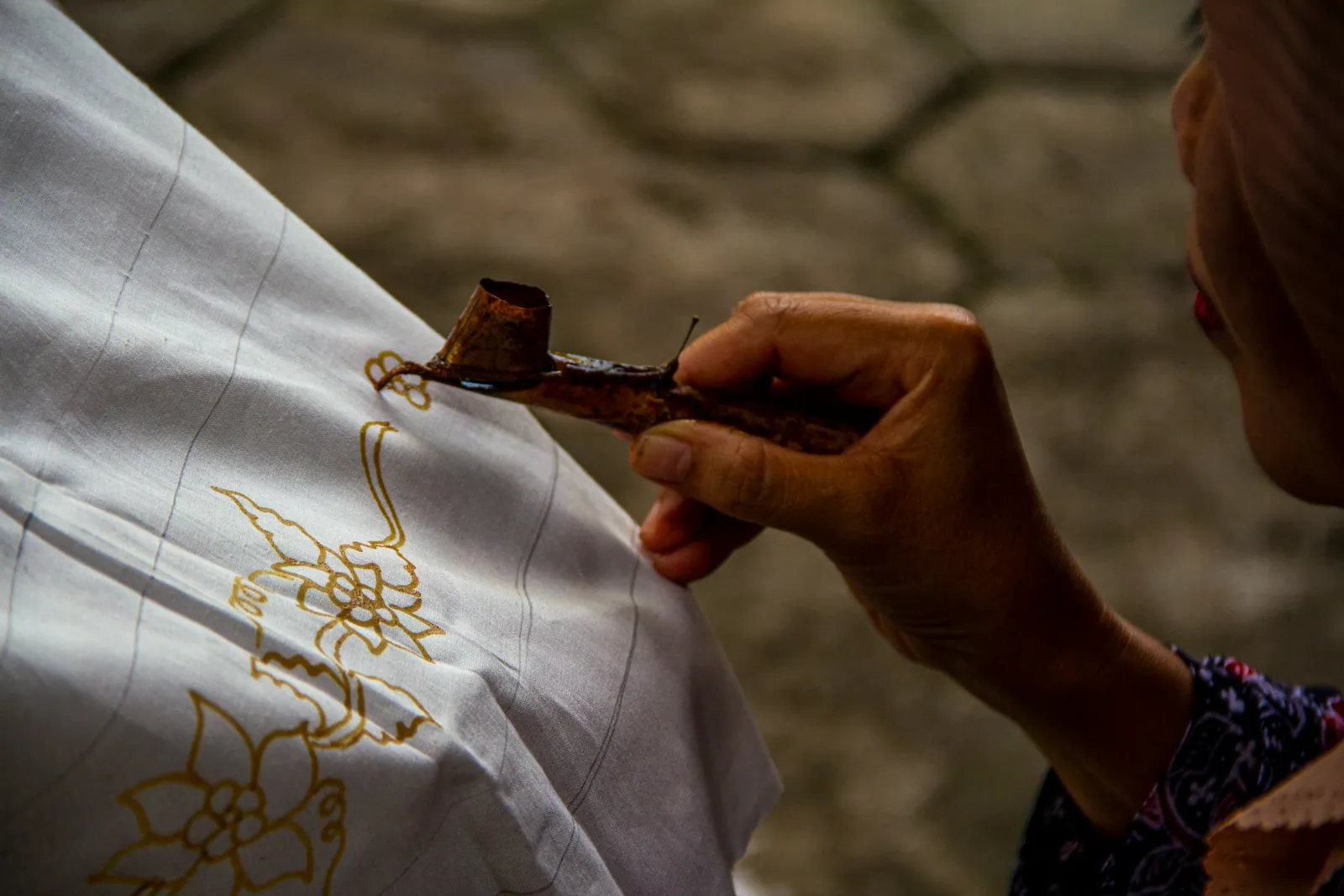
Fabric and home accents decorated with hand-applied wax-resist patterns.
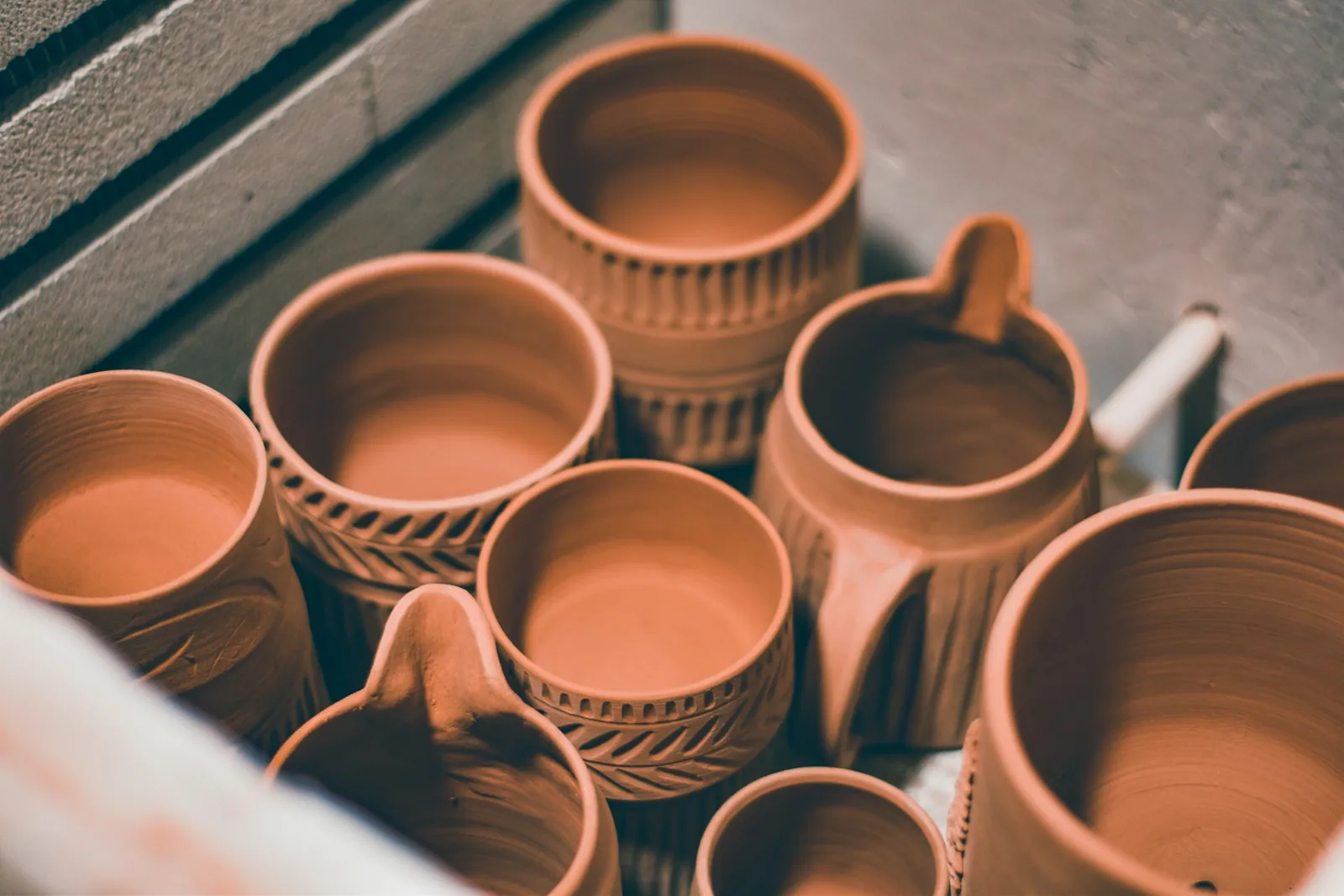
Pots, planters and tableware, fired and finished by experienced potters.
How it's made
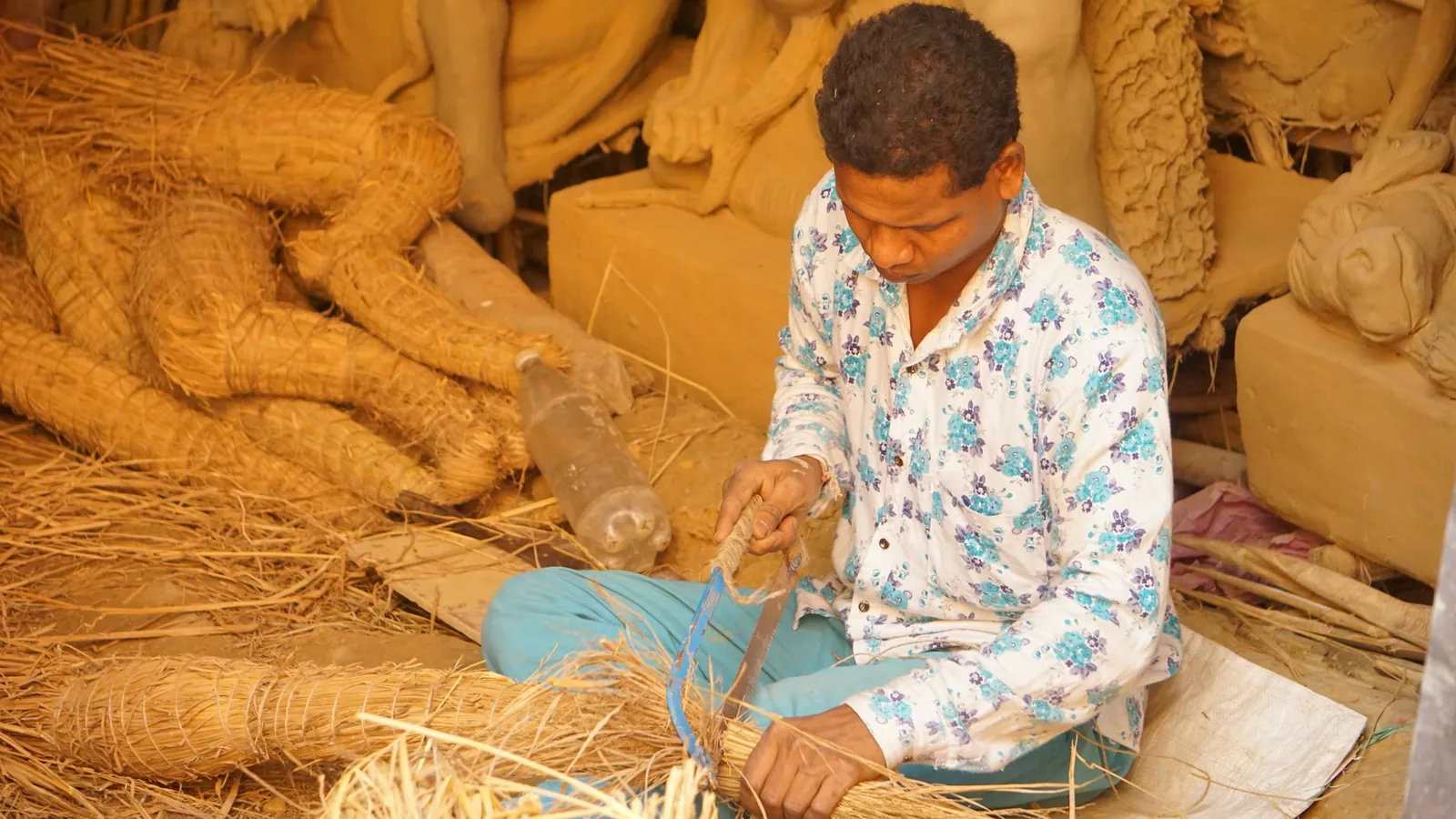
Every piece starts with a maker who knows the material. We work directly with experienced producers and follow the same process on every order.
Around the home
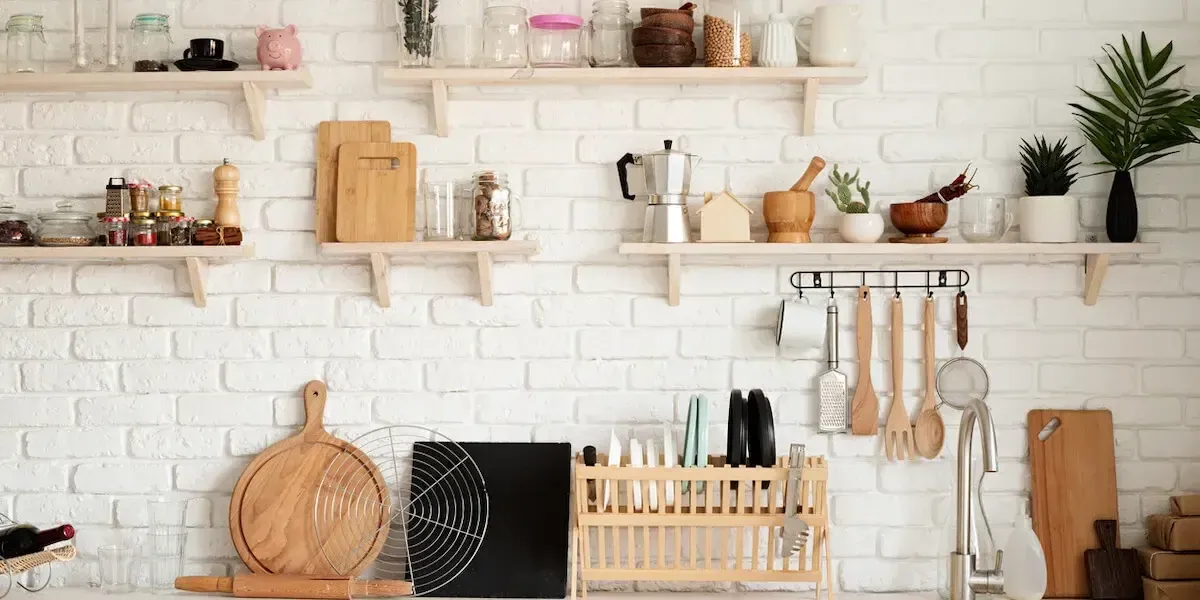
Wooden and coconut tools, clay serveware and natural-fiber storage.
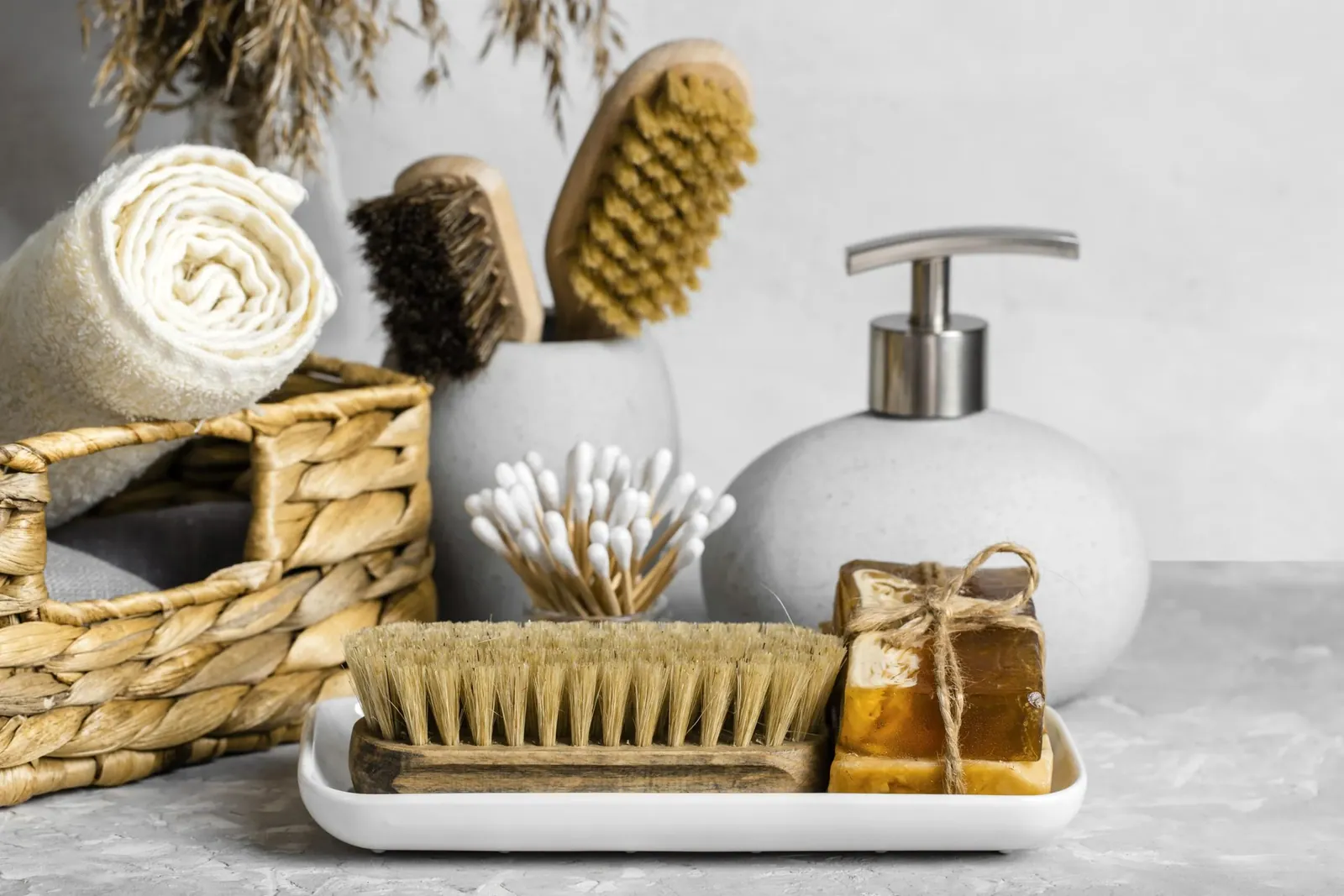
Natural-fiber accessories and simple, lasting essentials.
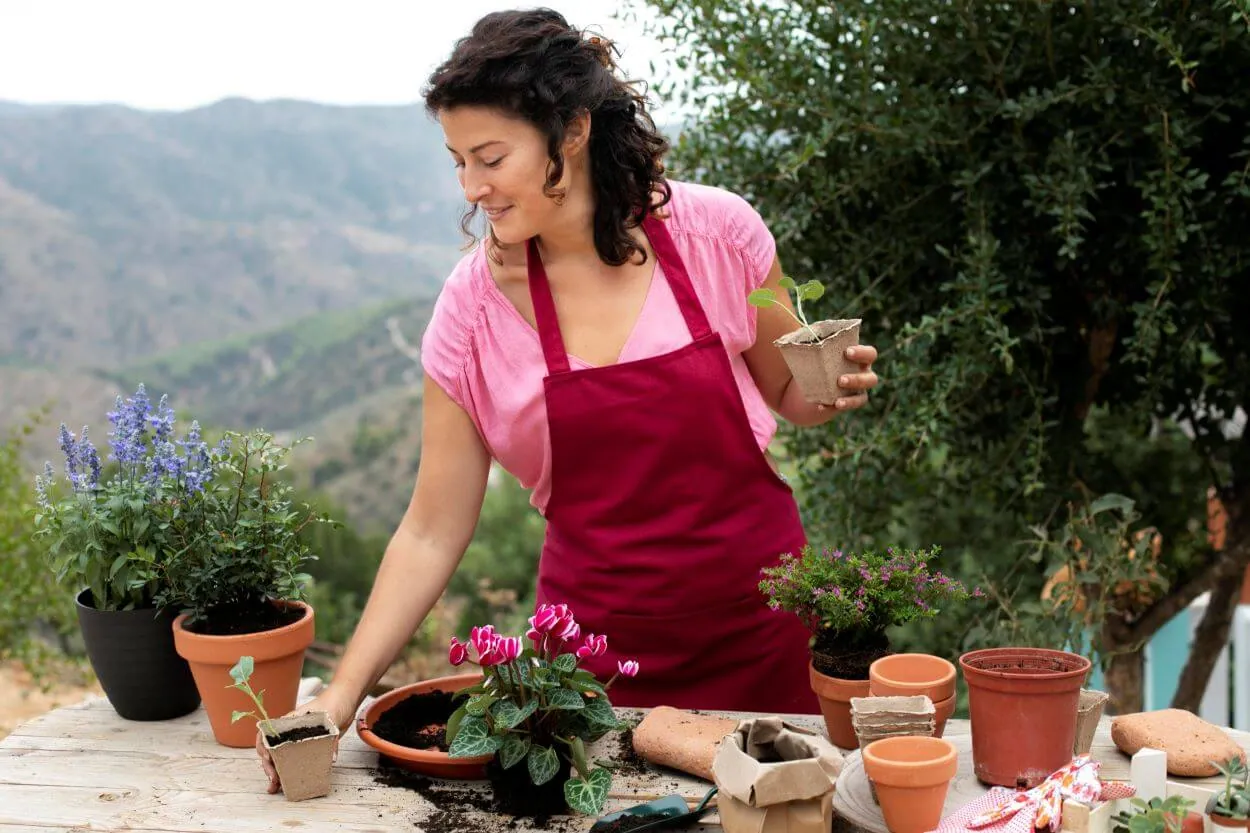
Terracotta planters and woven baskets for indoor and outdoor plants.
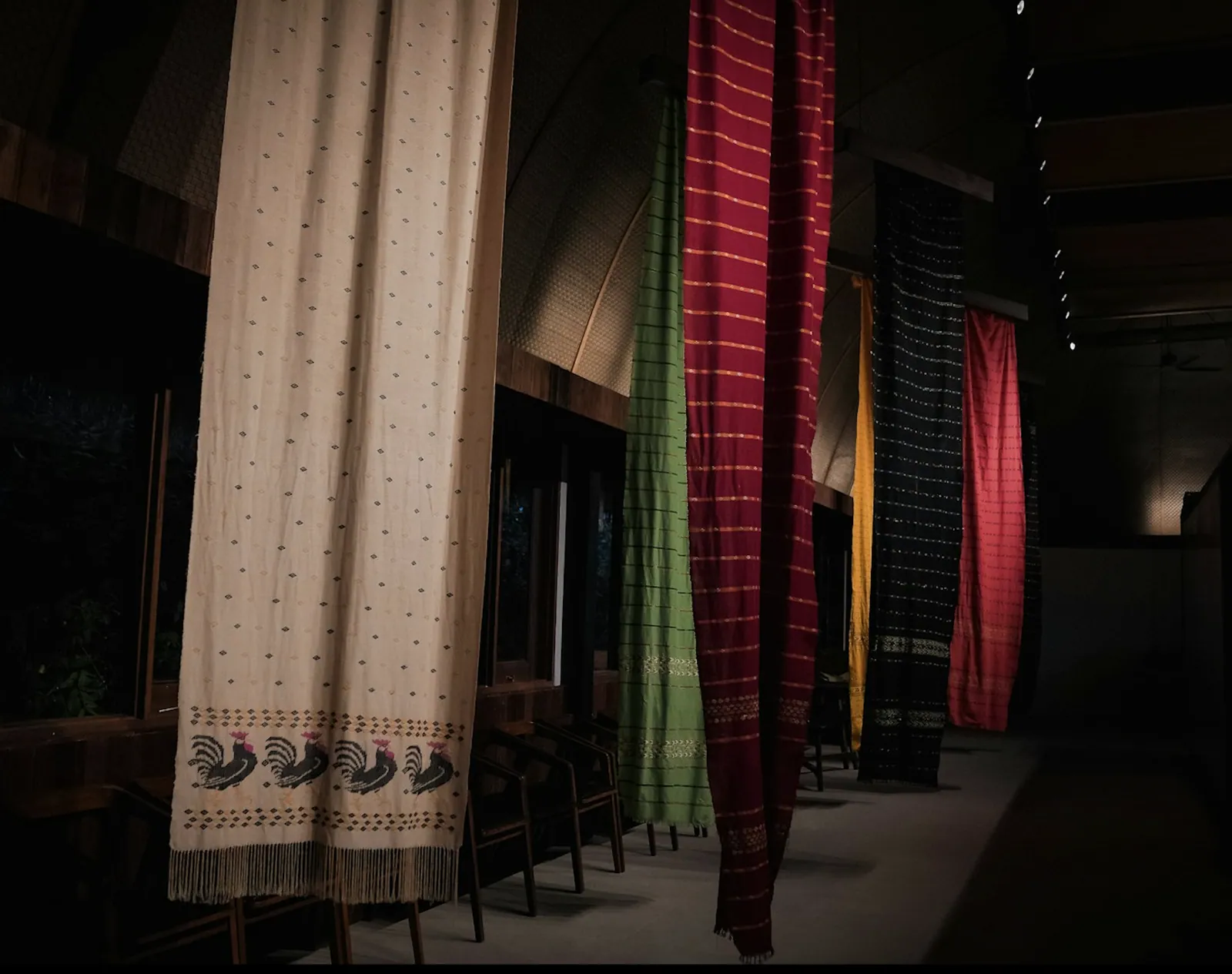
Woven decor, handloom textiles and batik accents that add warmth.
Foods
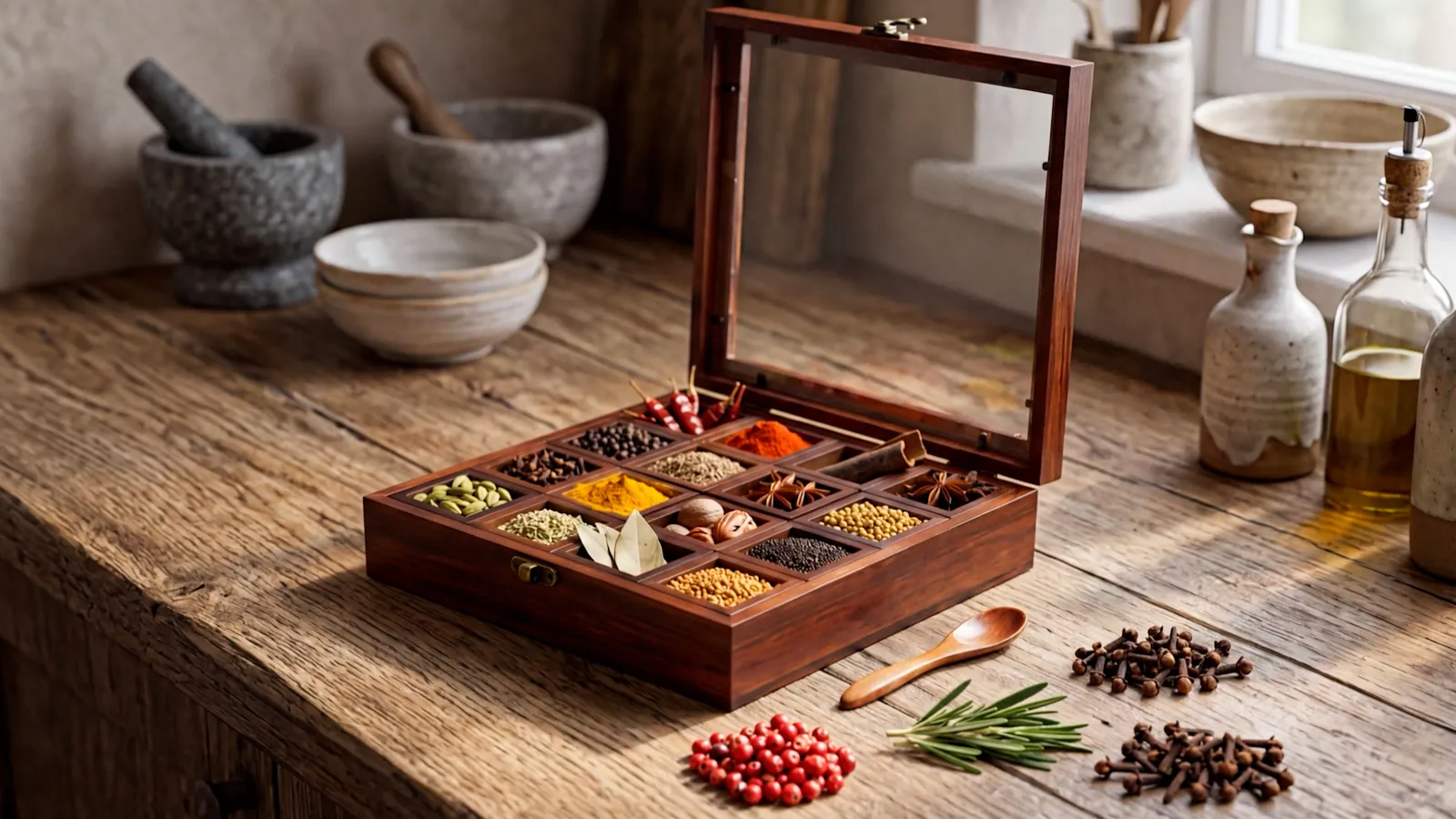
Our foods brand brings Sri Lankan teas, spices and pantry staples to U.S. kitchens. We choose each product for its quality and origin, work with experienced producers, and keep ingredients simple. Our labels show exactly what's inside.
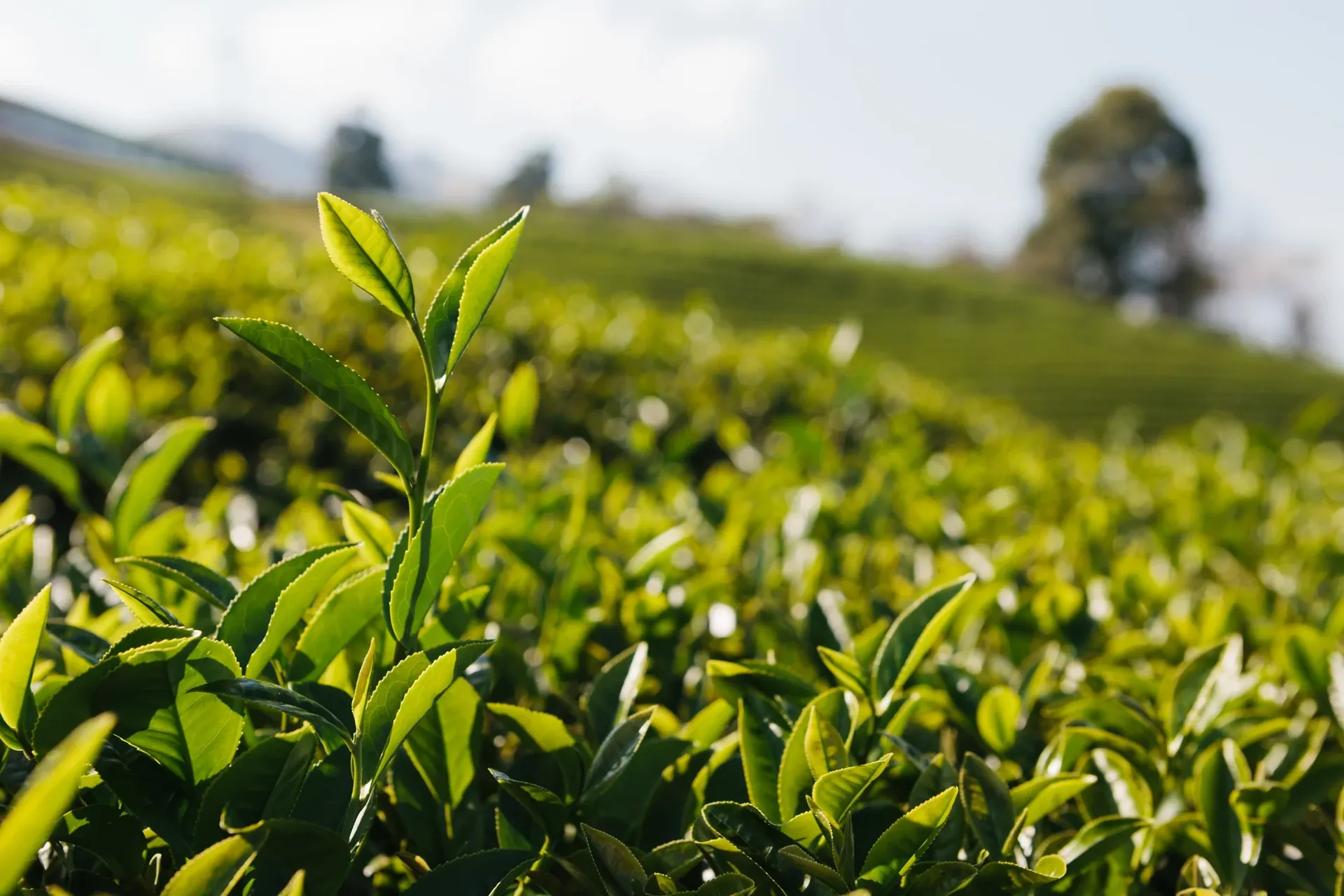
Why these foods
Commercial tea growing began in 1867, when James Taylor planted 19 acres at Loolecondera estate near Kandy. The first shipment, 23 pounds, reached London in 1873.
Source: Sri Lanka tea industry records
In 1965, Sri Lanka became the world's largest tea exporter.
Source: Sri Lanka tea industry records
True cinnamon (Cinnamomum verum) is a different species from the cassia sold in most U.S. grocery stores. In a U.S. study published in 2013, Ceylon cinnamon contained only traces of coumarin, while cassia varieties contained substantial amounts.
Source: Study reported in Financial Times Sri Lanka, 2013
What we offer
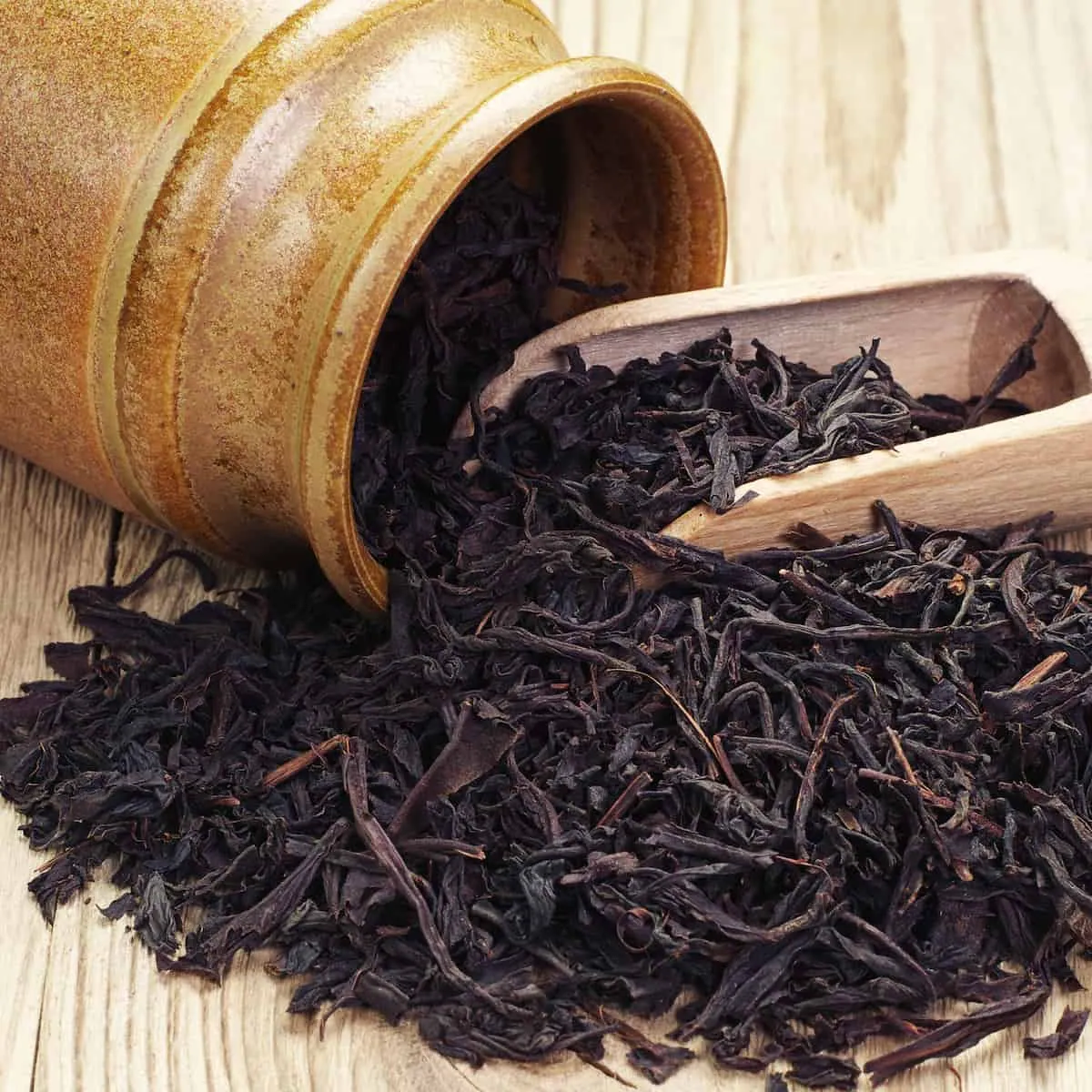
Ceylon teas, from everyday black teas to special-occasion blends.
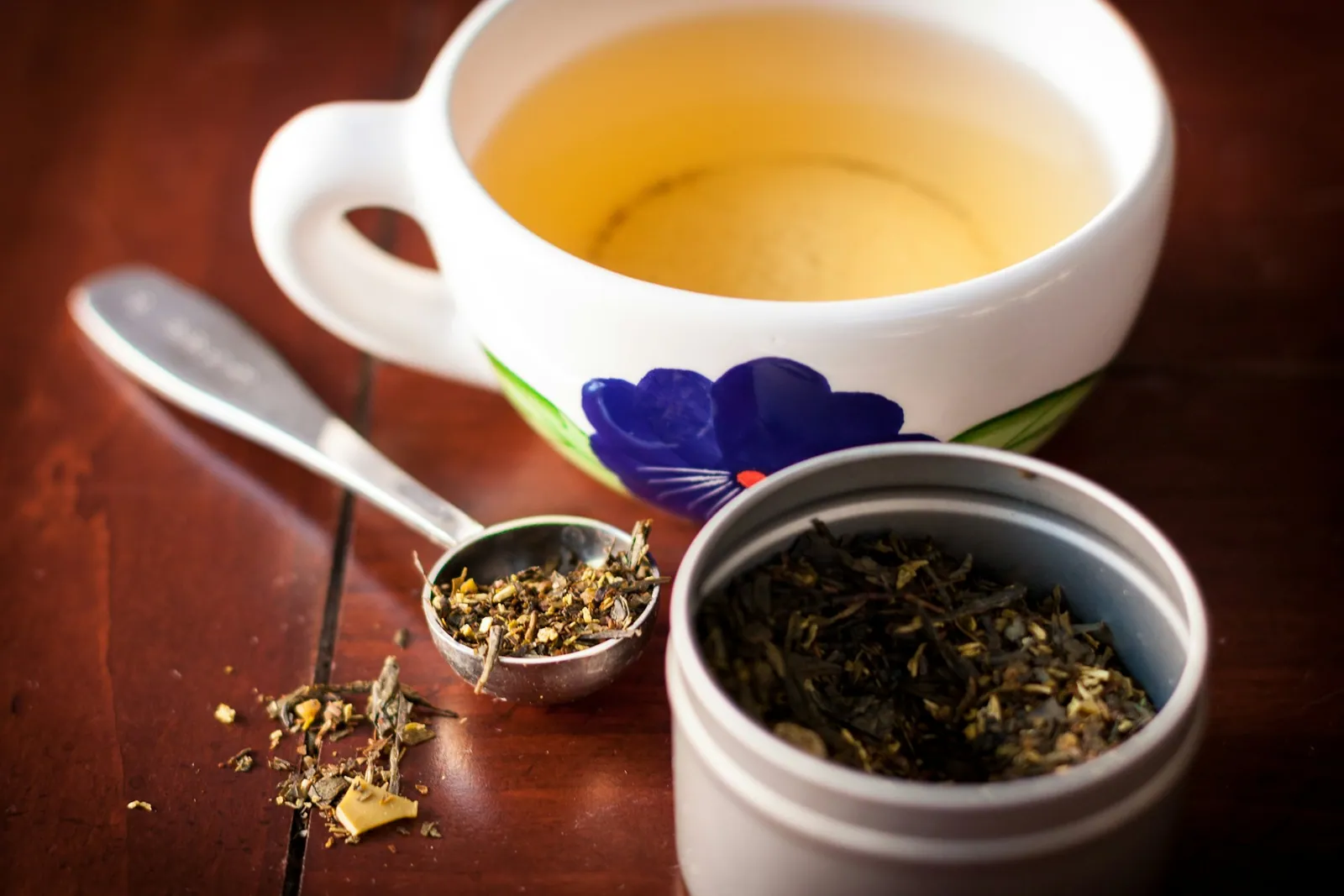
Blends made from leaves, flowers and spices.
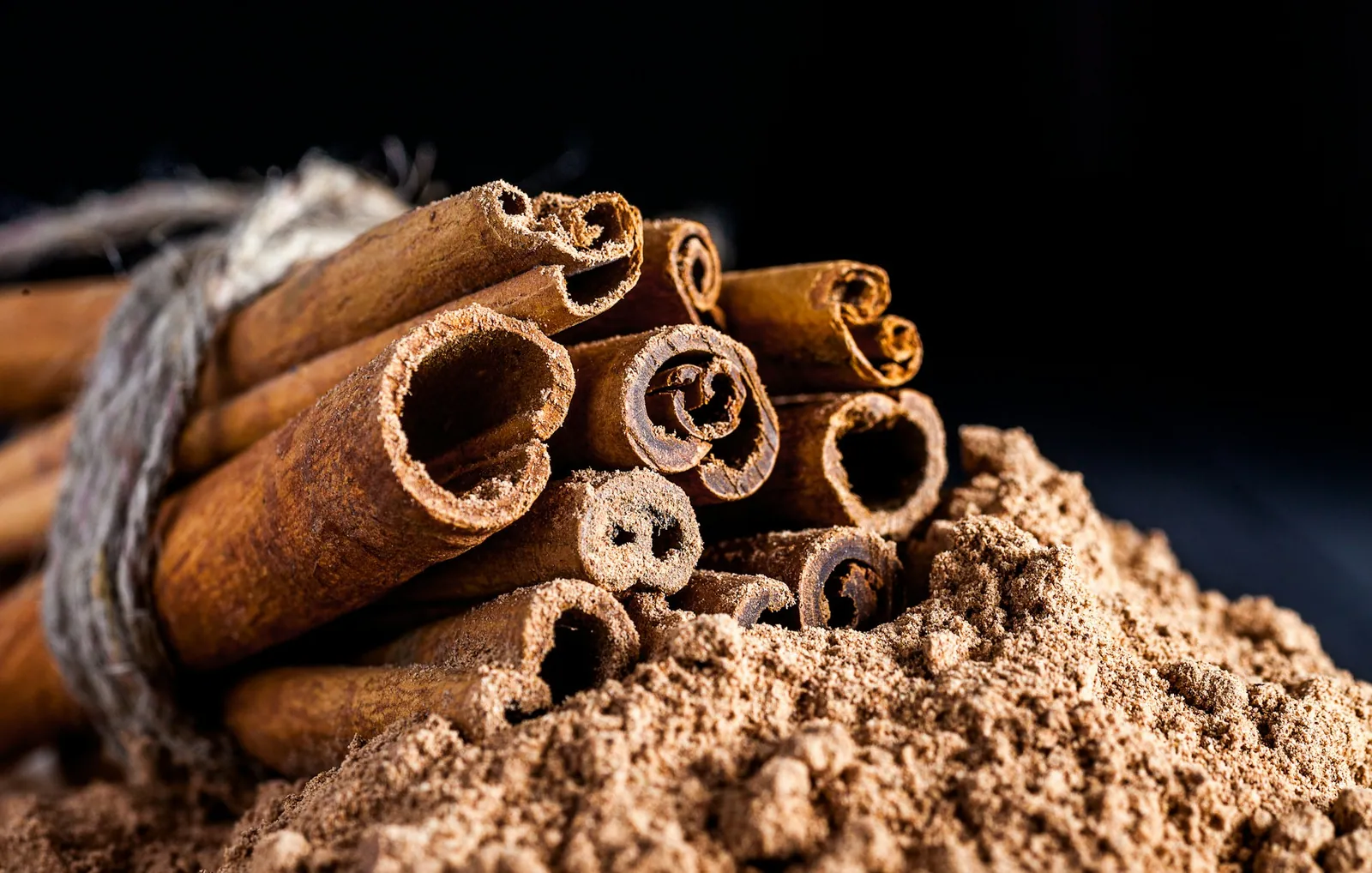
Ceylon cinnamon sticks and powder.
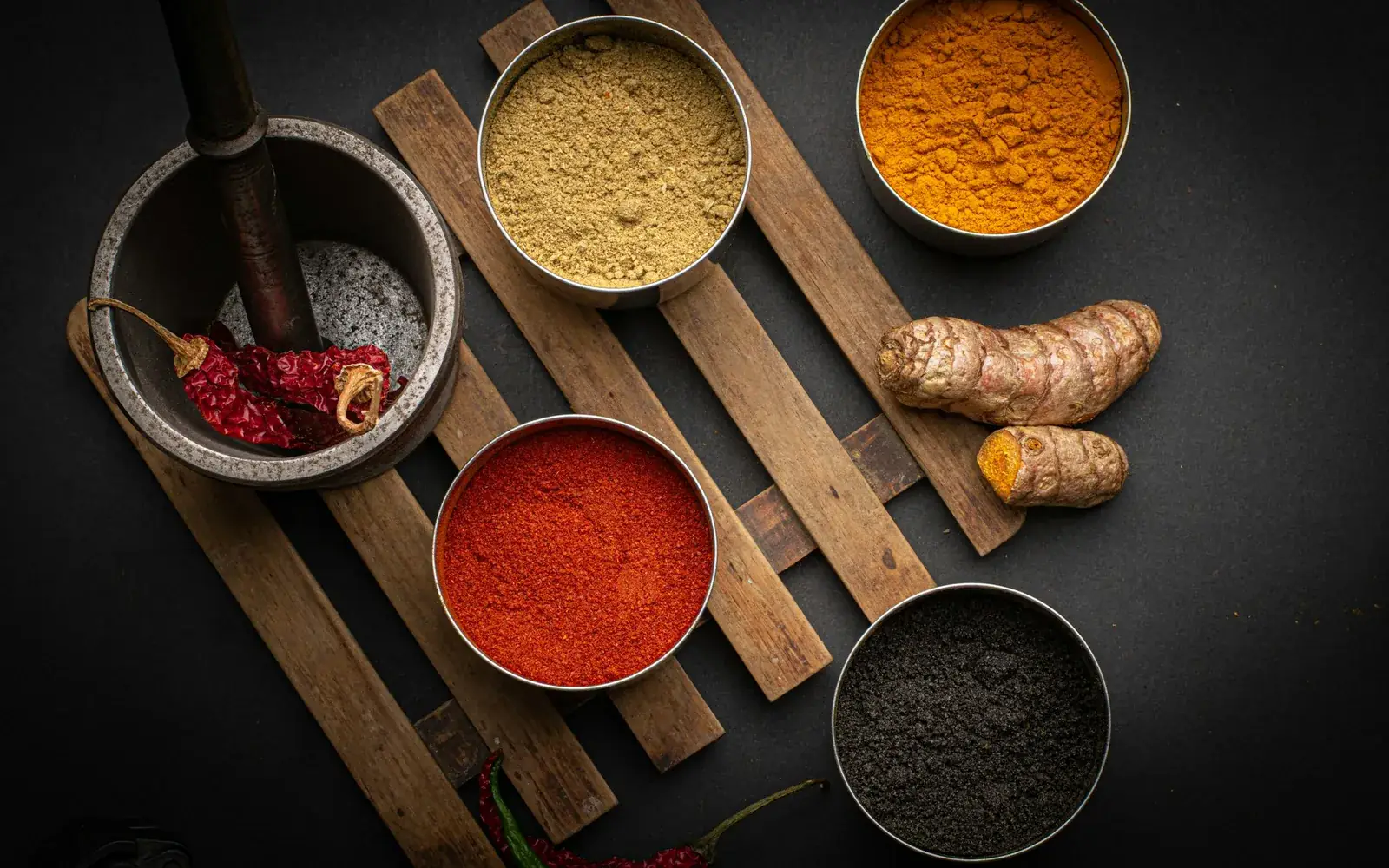
Whole and ground spices, packed to hold their aroma.
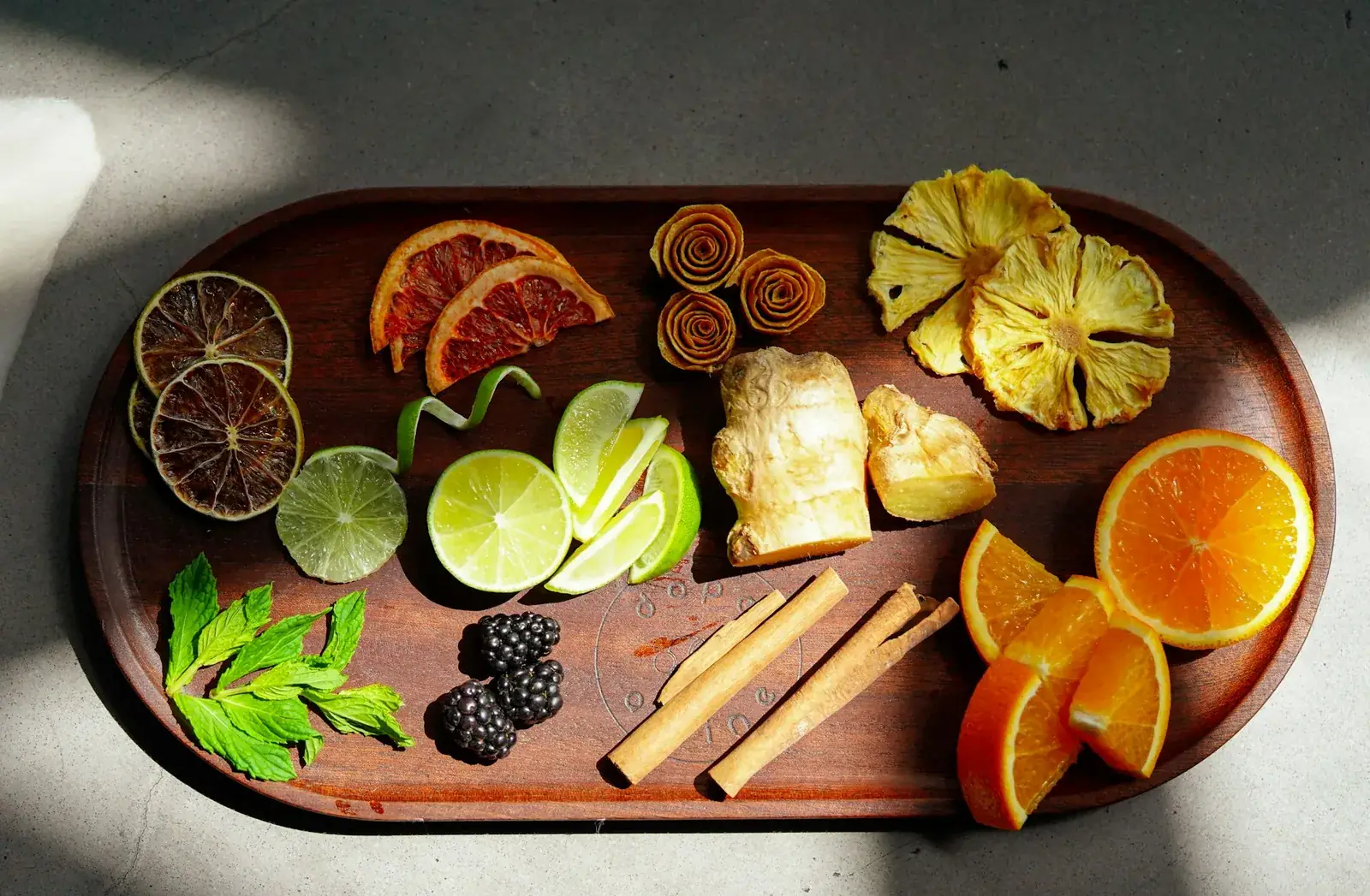
Dehydrated tropical fruit for snacking and cooking.
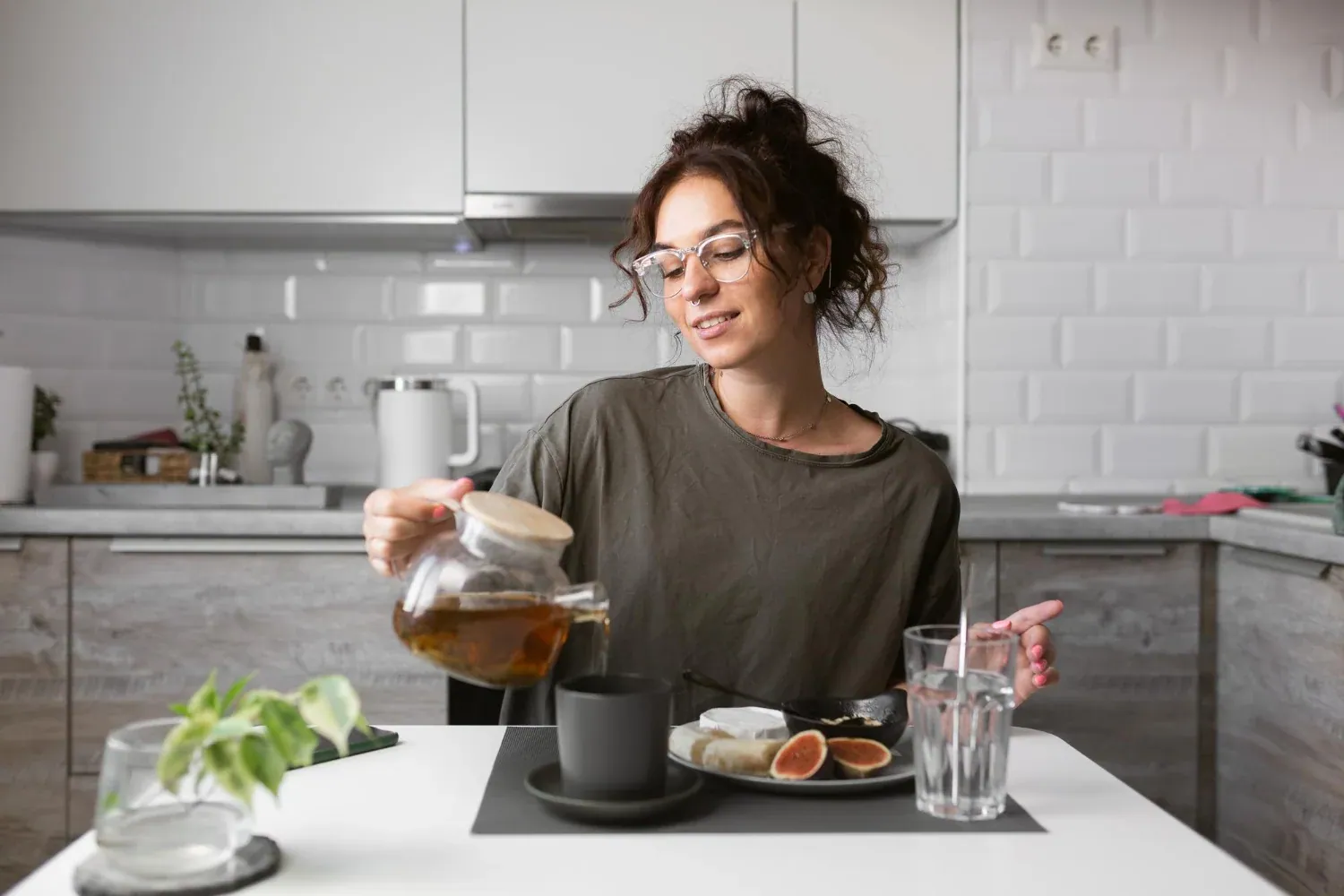
Drinks and drink mixes made with natural ingredients.
Our promise
We buy from experienced producers and growers.
We test every product with U.S. customers before we scale.
Materials chosen to protect aroma and flavor.
Ingredients and allergen information clearly shown.
Every day
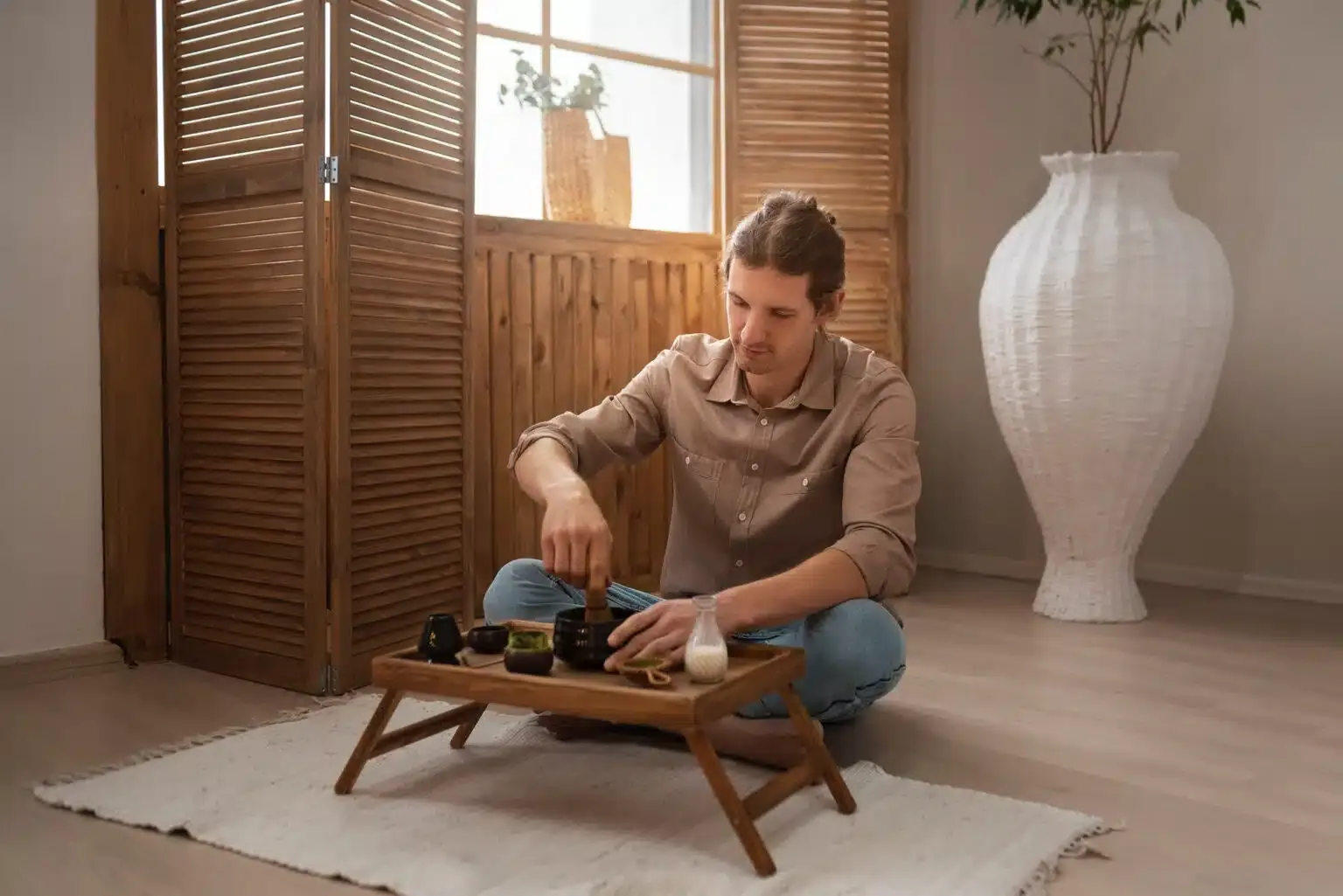
A pot of Ceylon tea, or a herbal blend.
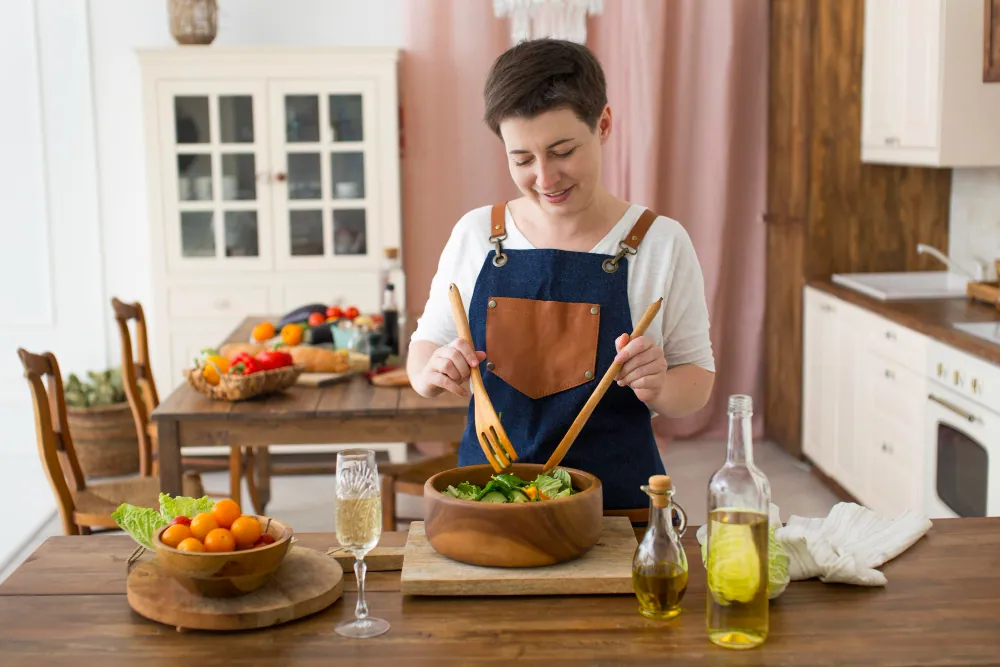
Whole spices and pepper for curries, roasts and baking.

Dried tropical fruit, straight from the bag.
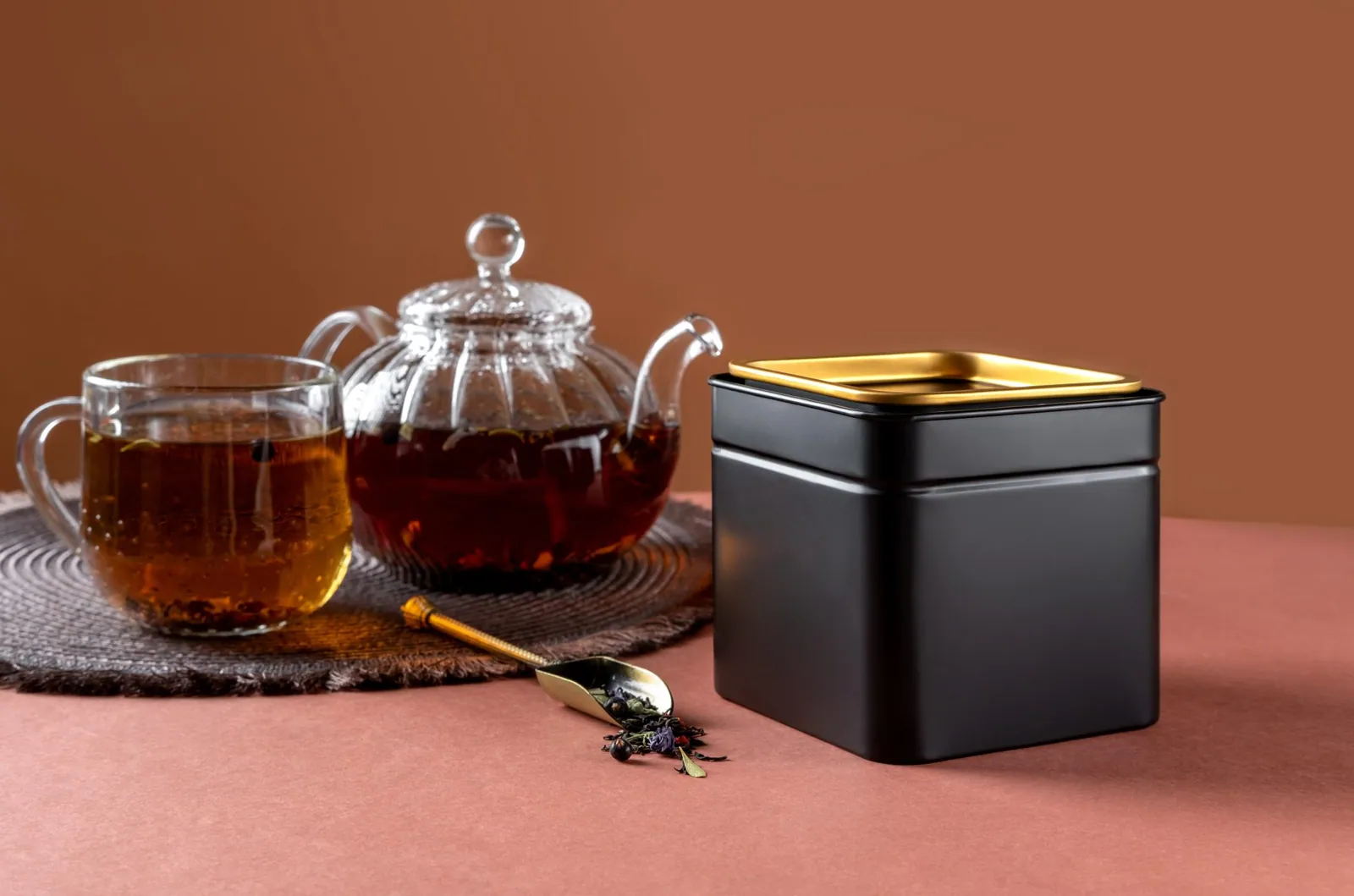
Teas and spice sets that make thoughtful gifts.
Wholesale
We supply retailers and online sellers with both brands, and we offer private label and custom packaging.
Sources: Sri Lanka Export Development Board; Sri Lanka tea industry records; Rubber production history, Henarathgoda Botanical Gardens.